Over three years after Russia invaded Ukraine, the war continues. Reports of violence on the fronts, drone attacks, or political moves at play have become a daily feature. When an invasion like this occurs, there is often the early and earnest hope for a quick resolution and swift withdrawal of armies from one another. But as time marches on, hope can be harder and harder to find.
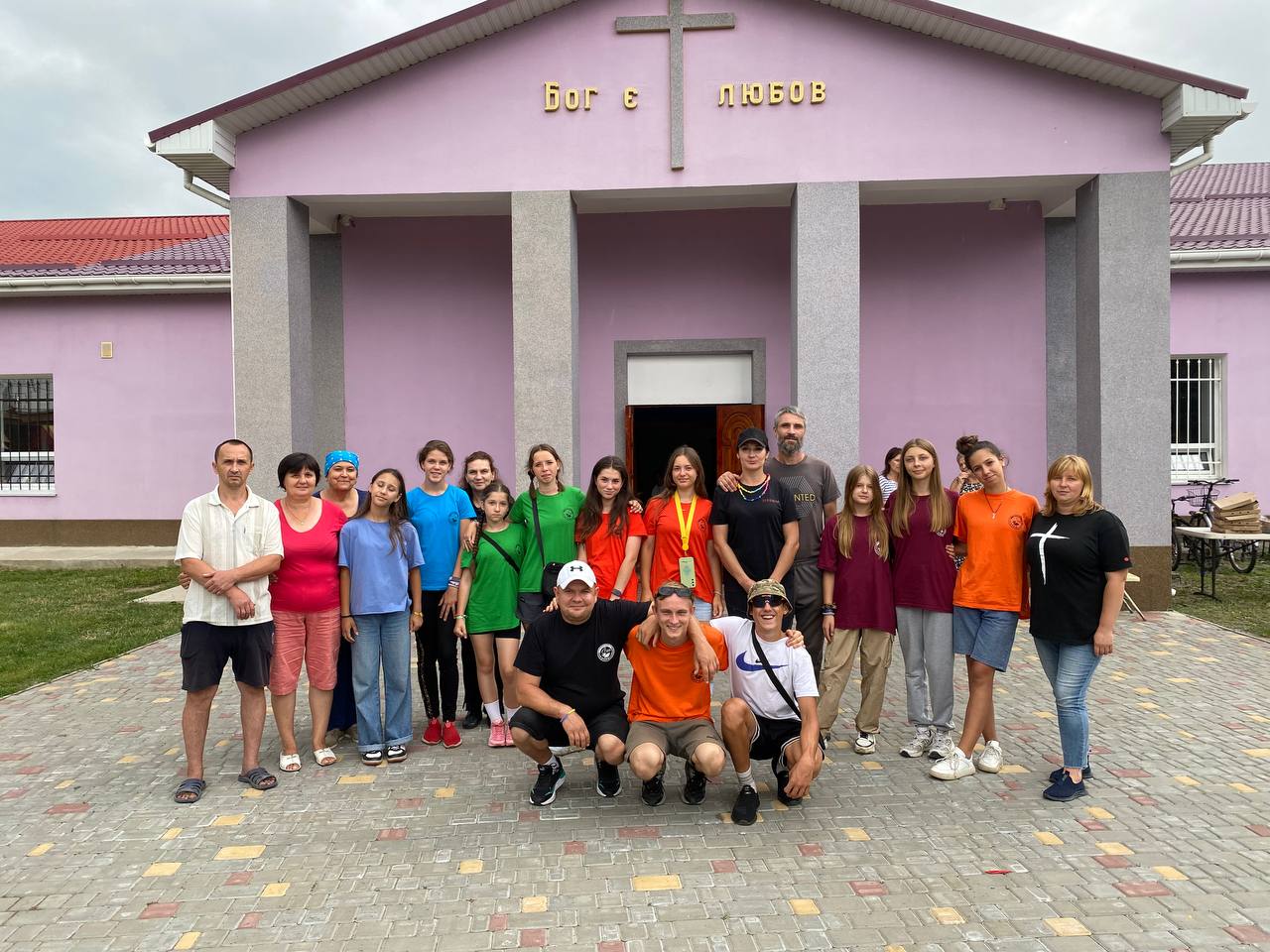
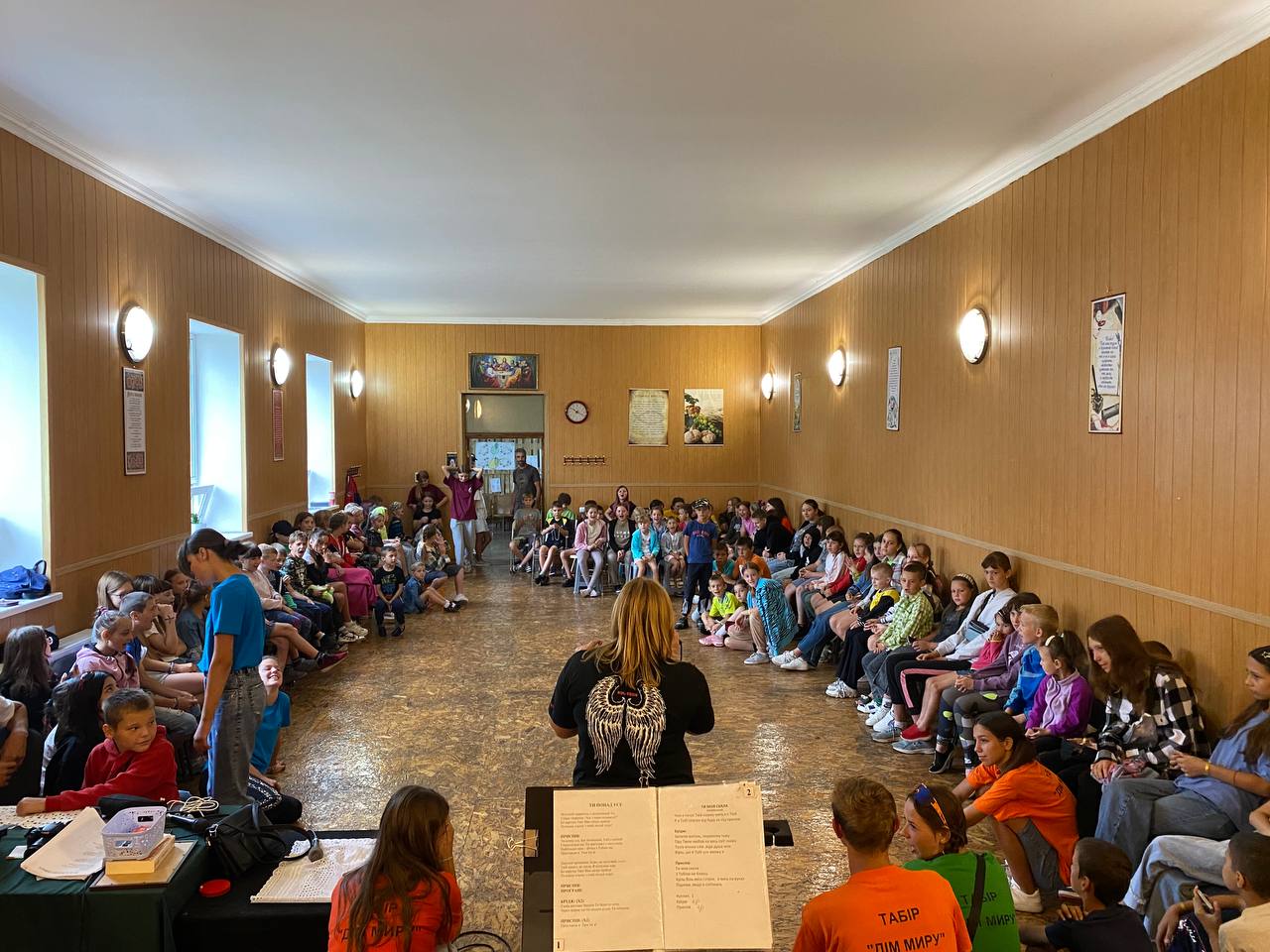
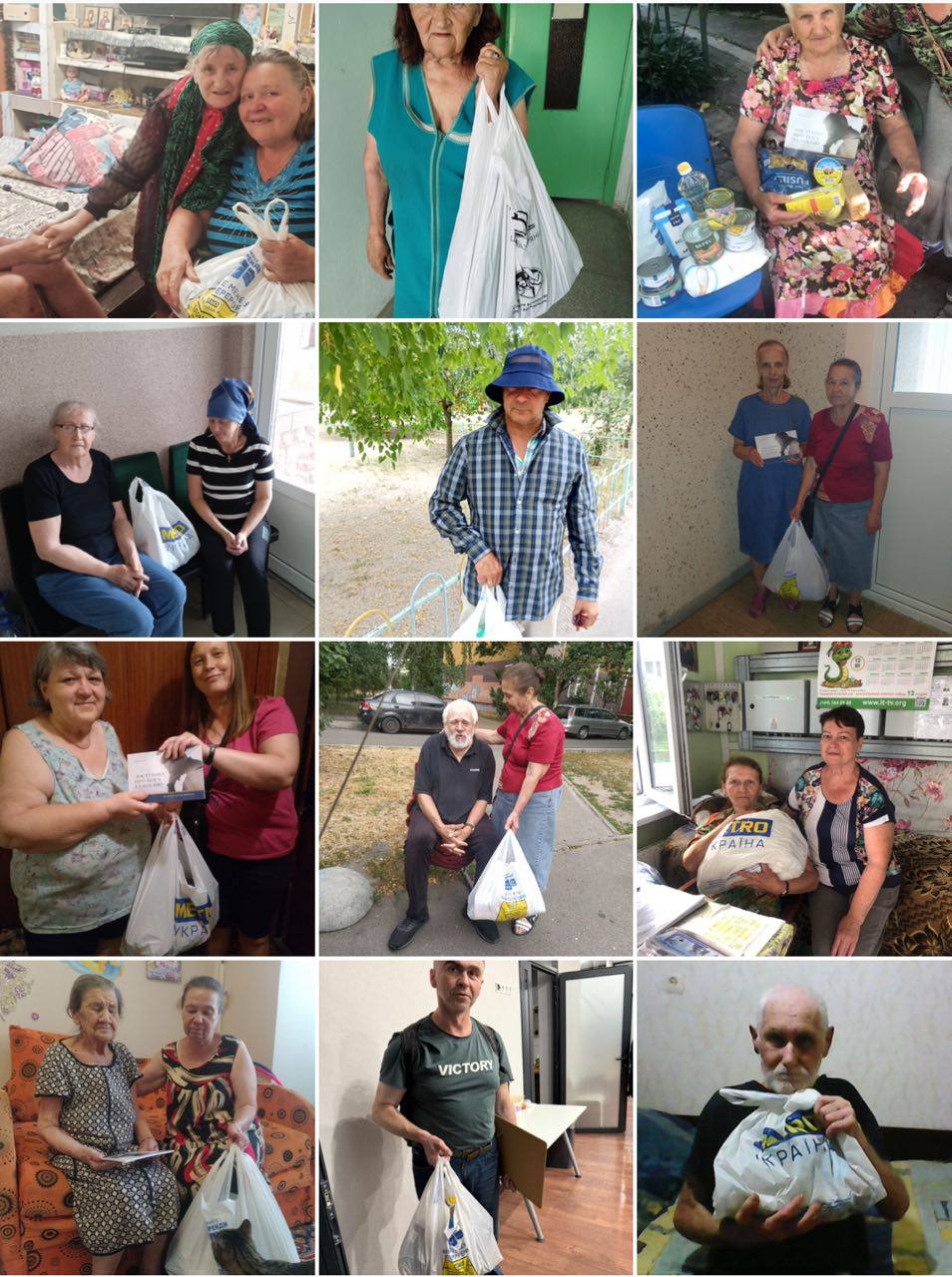
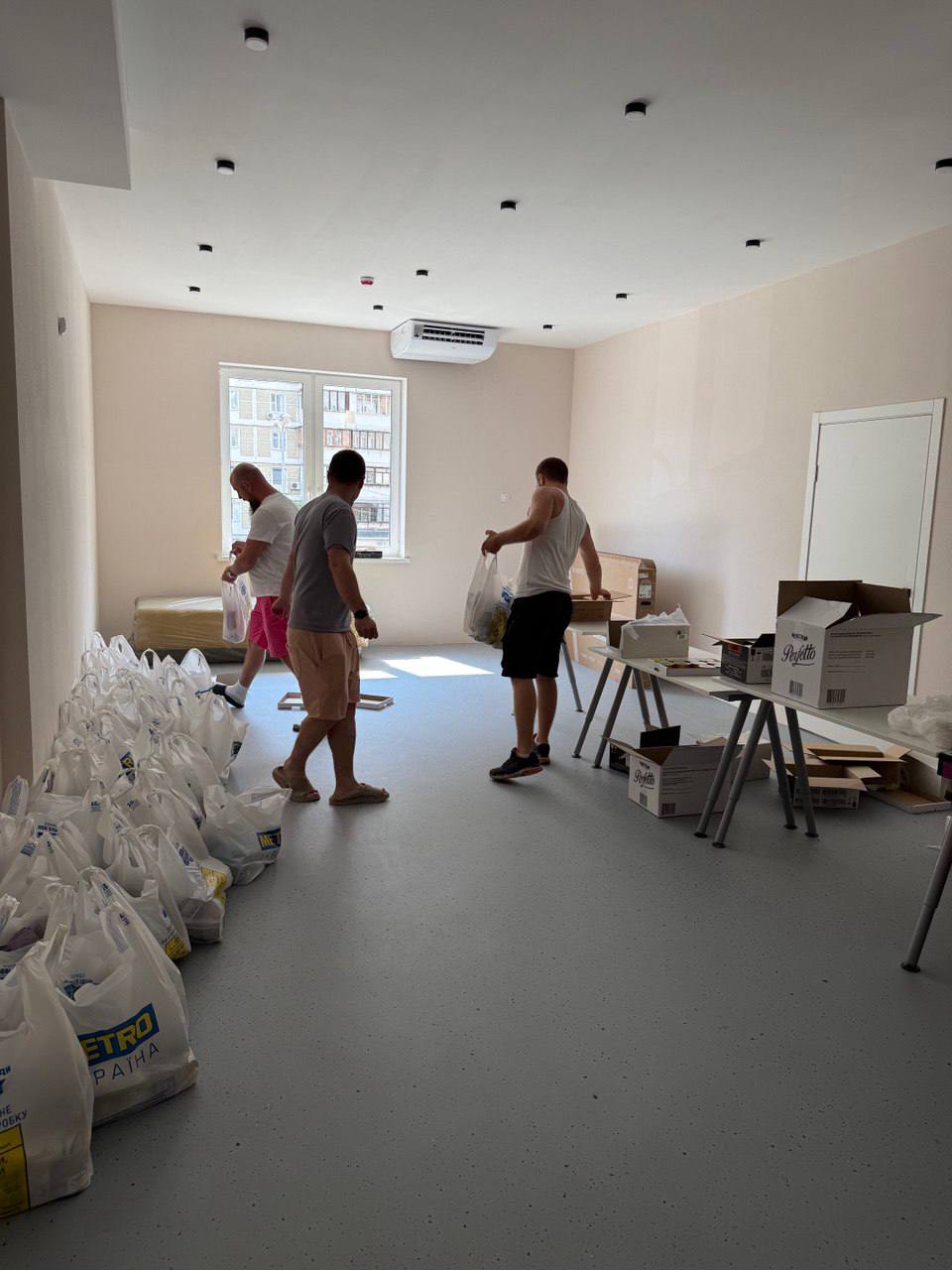
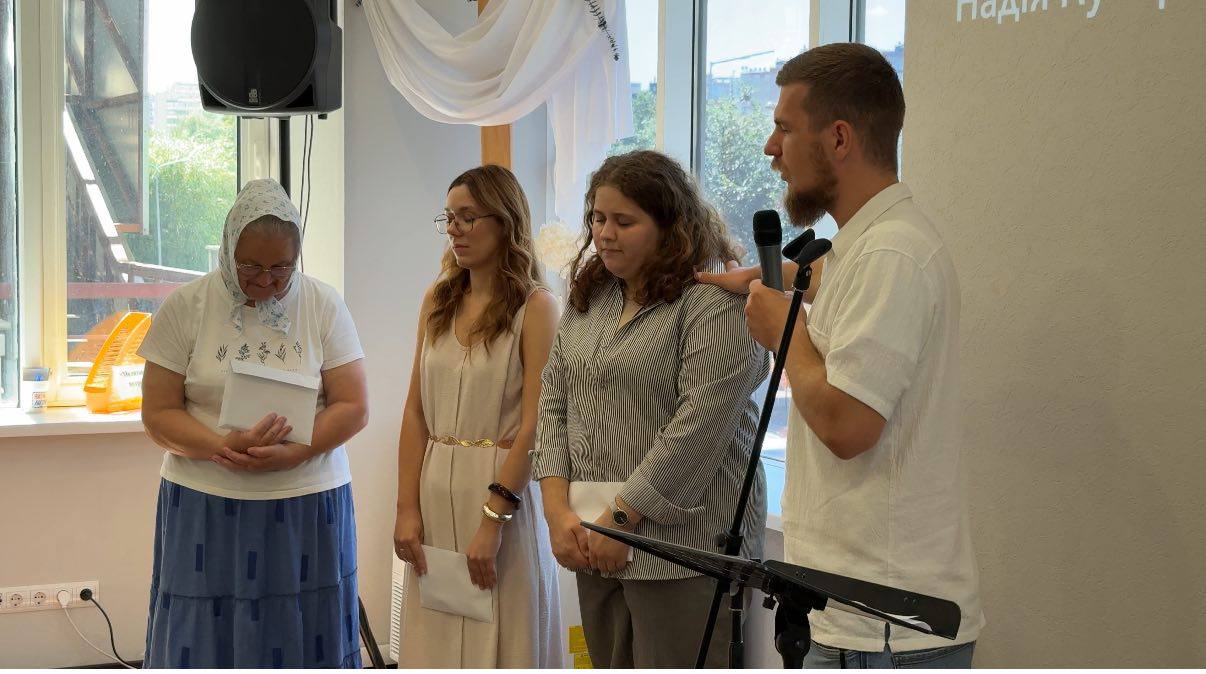
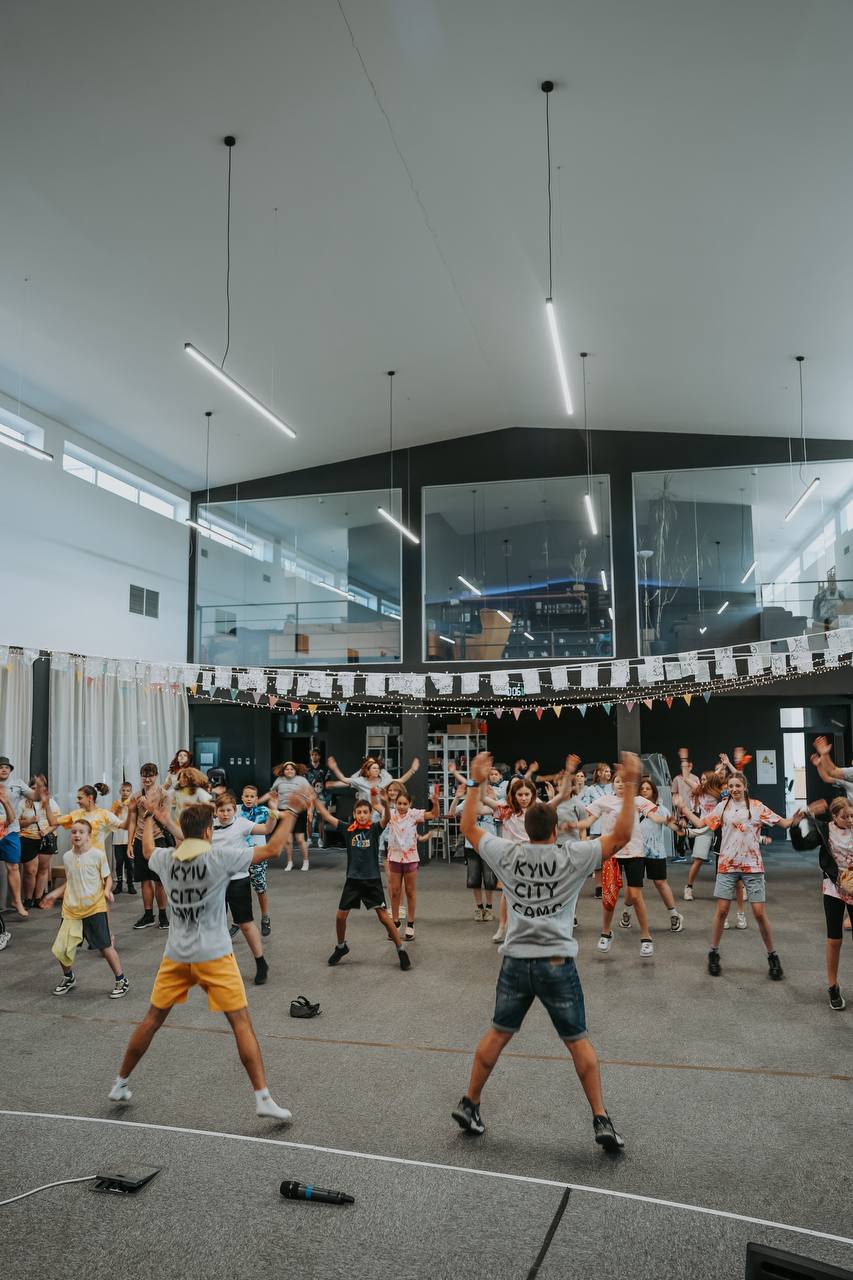
For the Church of the Nazarene in Ukraine, the call to proclaim hope and serve the most vulnerable remains the same. Over these three years, churches have distributed food, provided shelter, served people displaced by the war, offered care for trauma and mental health, and continued announcing the good news—the good news that God wills the world another way, and one day it will be that way.
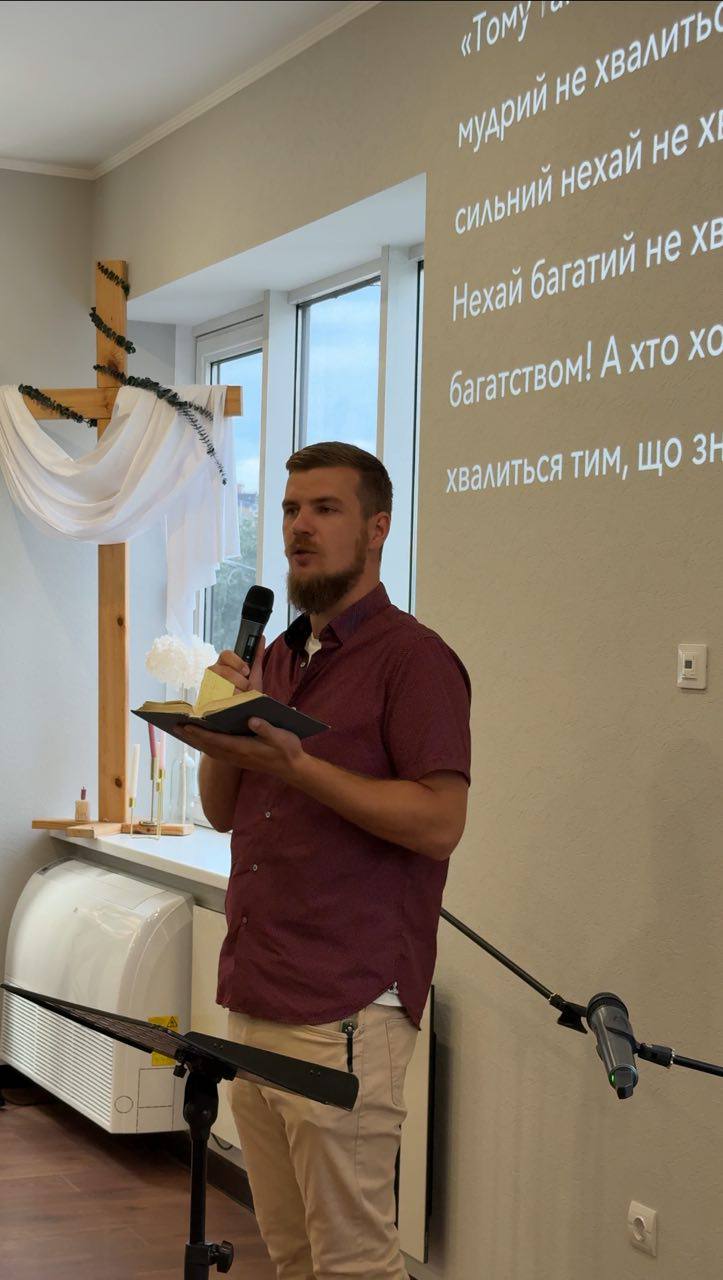
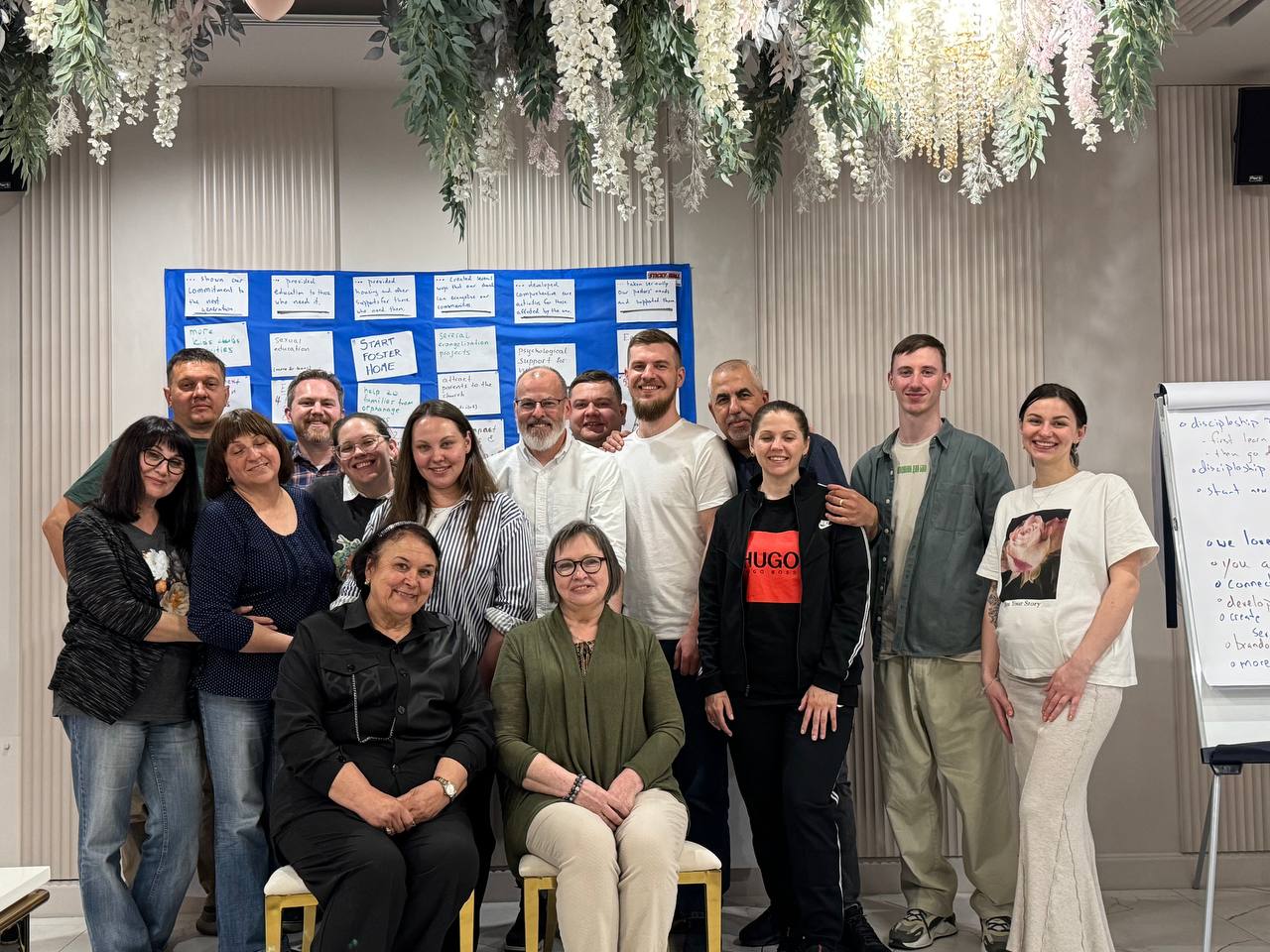
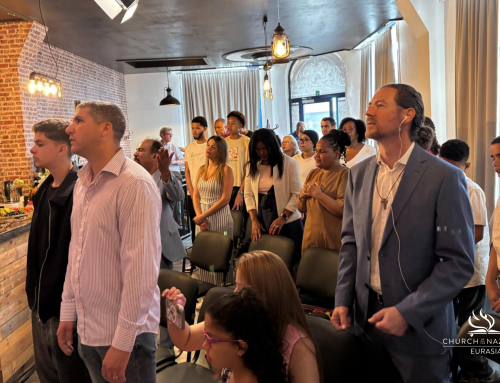
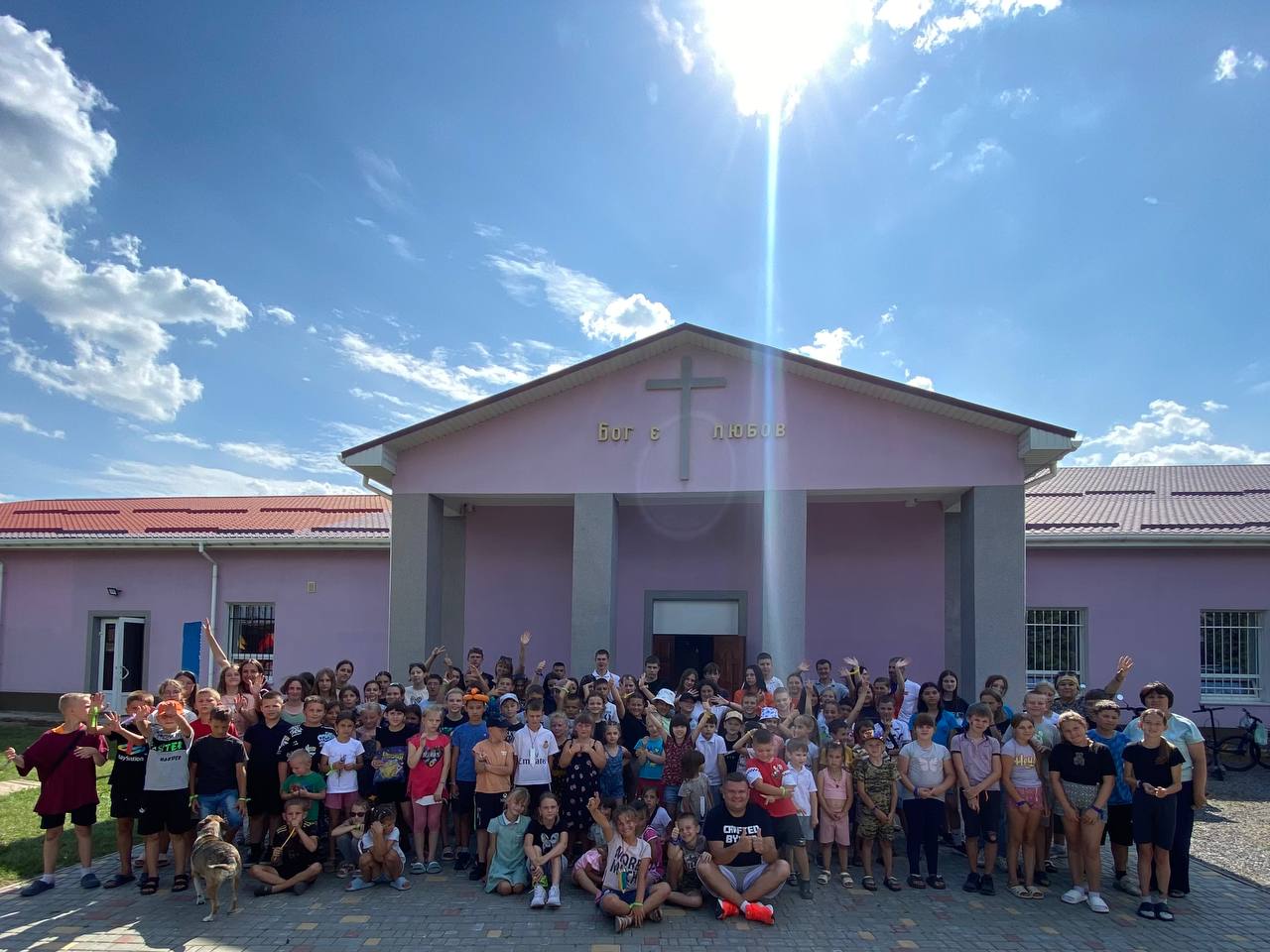
In April, pastors from each of the five active churches, along with other district leaders and the district superintendent, gathered in Kozyatyn to encourage one another, take stock of where the church is, and envision the future. Together, they spoke about the challenges the war has brought, how to continue serving their communities, and how following Jesus shapes them in the midst of violence.
“The biggest challenge is to answer the question ‘Where is God?’ that is asked by those who have lost their homes or loved ones,” shared Svetlana Kleschar, district superintendent for Ukraine. “In such a case, we should be especially careful quoting the Bible. At the same time, it is necessary to emphasize the love of Christ. This war has torn apart many families. One of the challenges is a lot of divorces in the families, with children growing up without parents and upbringing often taking place online.”
Svetlana also reflected on how the gospel speaks into this season: “Our hope is in Jesus. Life goes on even during the war. The Lord does not abandon us. He gives us hope for tomorrow. I believe the concept of sacrifice becomes more understandable during the war. We are grateful to our defenders who protect us in earthly life from the enemy; the more grateful we should be to the Lord who saves us for eternal life. This is not the end despite all burdens the war brings.”
For Serhii Akulenko, pastor of Kiev Pozniaky Church and Ukraine District NCM coordinator, the pastoral journey began unexpectedly: “I became a pastor out of necessity — simply because there was no one else left to do it… An even greater challenge was that there were no mature spiritual leaders left in the local church — no one who could fully support or guide the ministry. At the same time, many people who didn’t know God at all began coming to the church in search of help…about 80 percent of the people are in that category.”
Those who come often bring difficult, heartfelt questions: “Why does God allow innocent civilians to die? Why does he allow little children to be killed in their sleep by rockets? Why can an entire family be wiped out in a single night by a drone strike on their apartment? And these are just a few of the hundreds of questions we hear. The greatest challenge is answering those questions — while at the same time bearing witness to a loving God, a God who saves, who protects, and who gives hope.”
He finds deep encouragement in remembering that Jesus himself knew suffering: “Some may falsely believe that God is far away and doesn’t understand what we’re going through. But when we look closely at the life of Jesus Christ, we see that he experienced much of the same suffering, loss, and hardship. He knows what it means to hurt. He knows what it means to carry weight. That means he understands us deeply. He grieves with us. And he offers the hope that this is not the end.”
At Kozyatyn, Pastor Irina describes the steadfast witness of the church: “Being faithful is staying the course and doing it with passion… From the very beginning of the war, the church became the place where the people can find safety and stability. I do not mean safety from being shelled by rockets, but God’s safety.”
Her hope remains anchored in God’s sovereignty: “Of course God gives me hope… We have to agree that it will be the way God wants it to be. We are learning this. It’s hard and we don’t understand a lot of it. But we have to have hope. We can’t rely on people. We are not putting our trust in anything but God. We know God will send his people to us.”
The war is not over. The loss is still deep. Yet through every act of compassion, every prayer lifted, and every word of hope spoken, the Church of the Nazarene in Ukraine continues to embody the love of Christ. May we join them in steadfast prayer—trusting in the God who has not abandoned them and who is still writing the story of redemption.
-shared from NCM Magazine, story and photos by Brandon Sipes