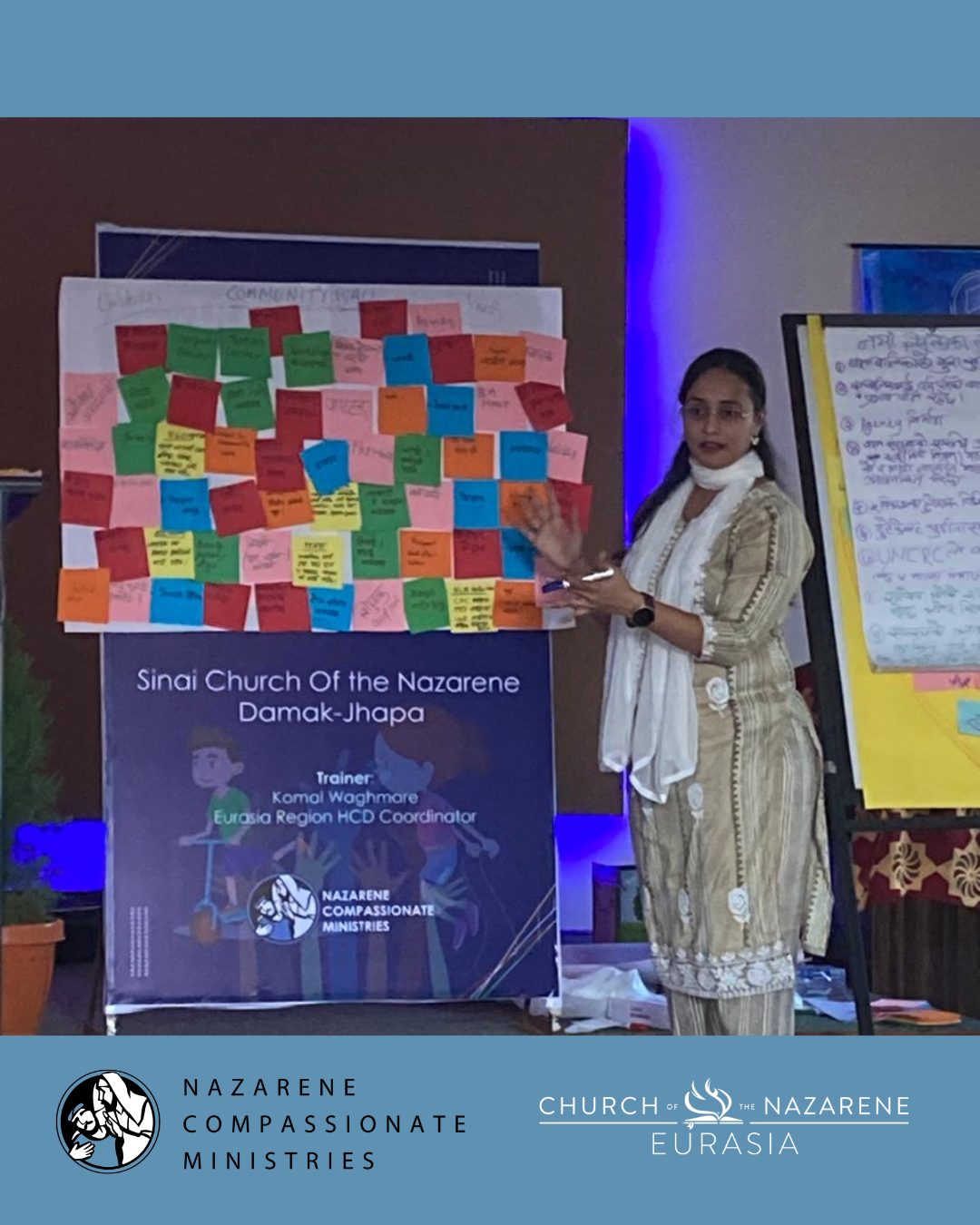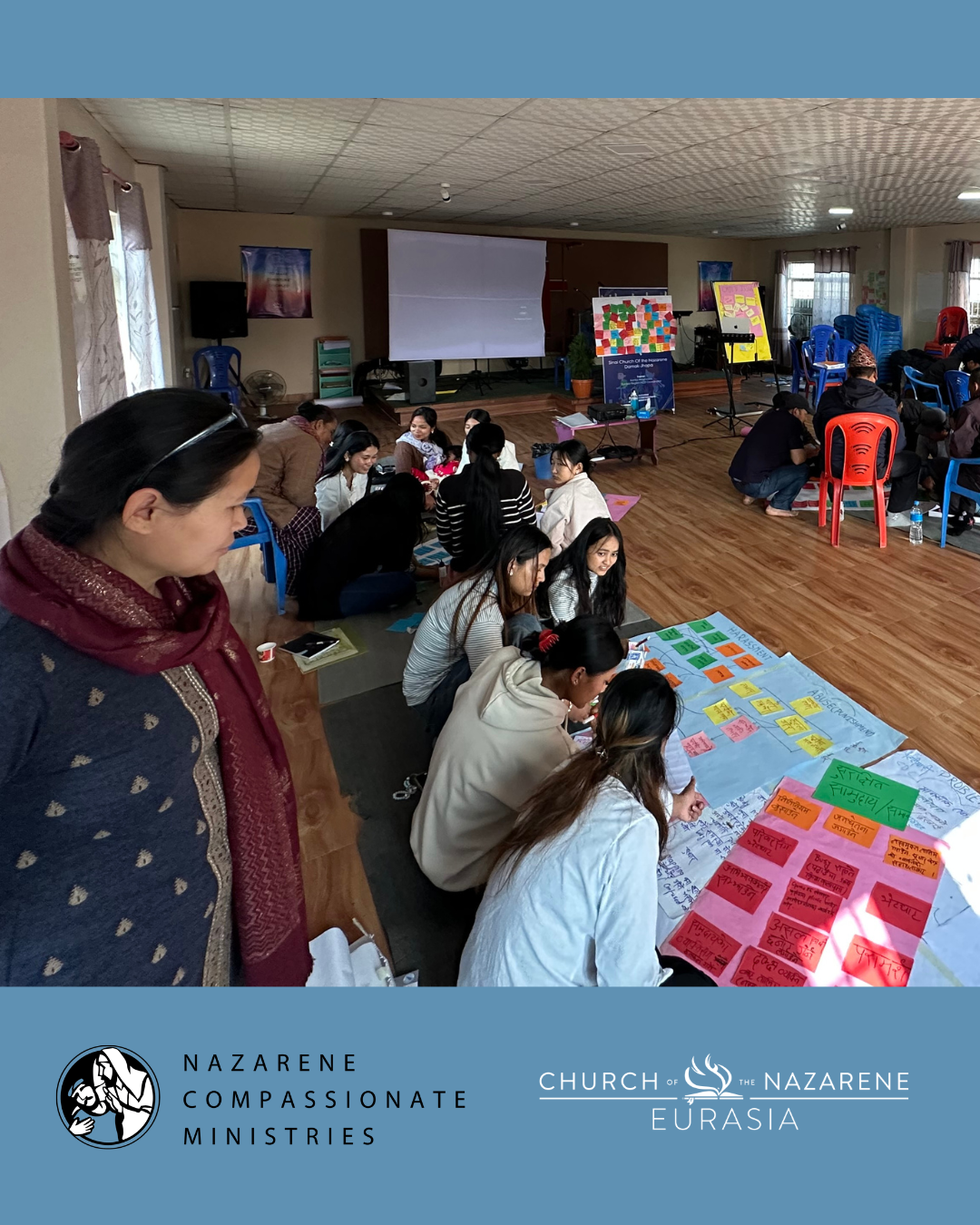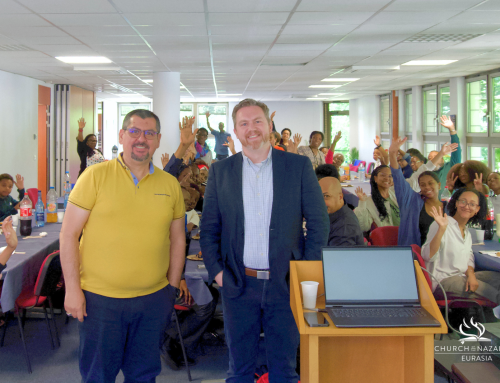
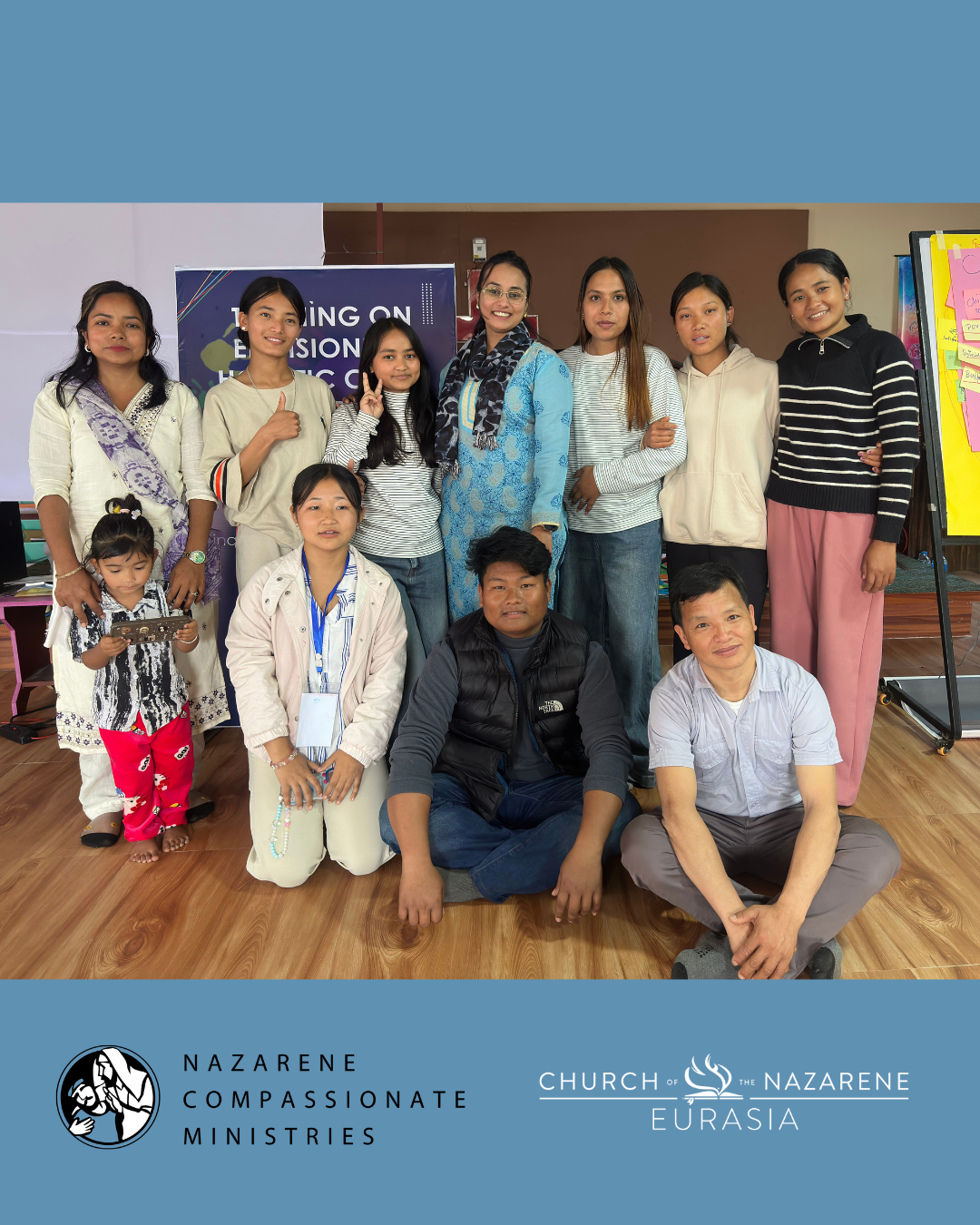
A 4-day intensive training was conducted in Nepal on ‘Envisioning Holistic Child Development’ from 12-15 February. This training saw the participation of around 40 participants including Nazarene Compassionate Ministries (NCM) Nepal leaders, pastors, Child Development Center (CDC) teachers, and area coordinators.
The training served as an opportunity to equip participants on practical ways to implement the pathways to Holistic Child Development (HCD) in their own contexts. It created space to explore different HCD models being implemented across the Eurasia region, learn from these experiences, and think of integrating relevant practices into their local ministries. A key part of this reflection was intentionally avoiding models that create dependency toward strategies that empower children, families, and churches.
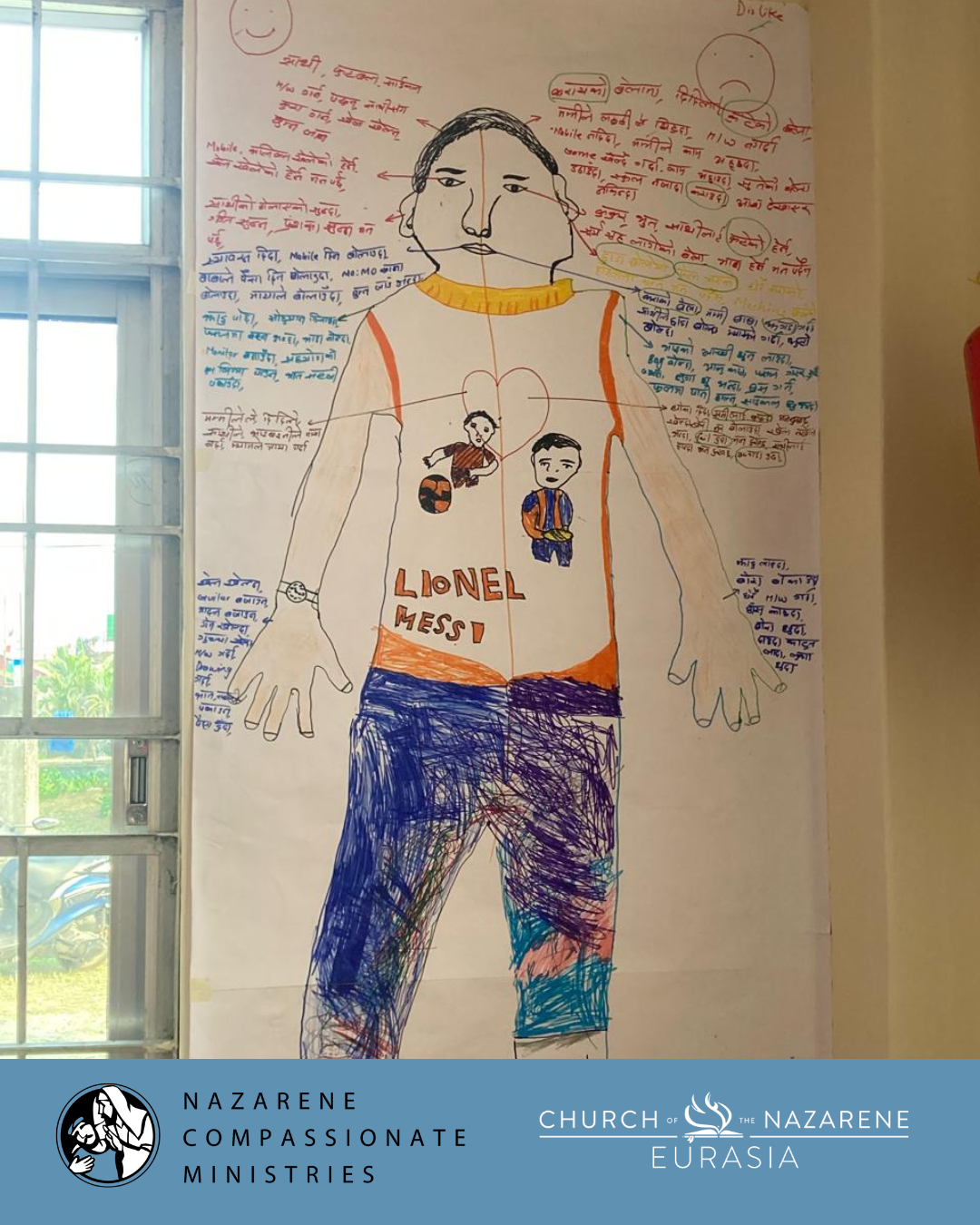
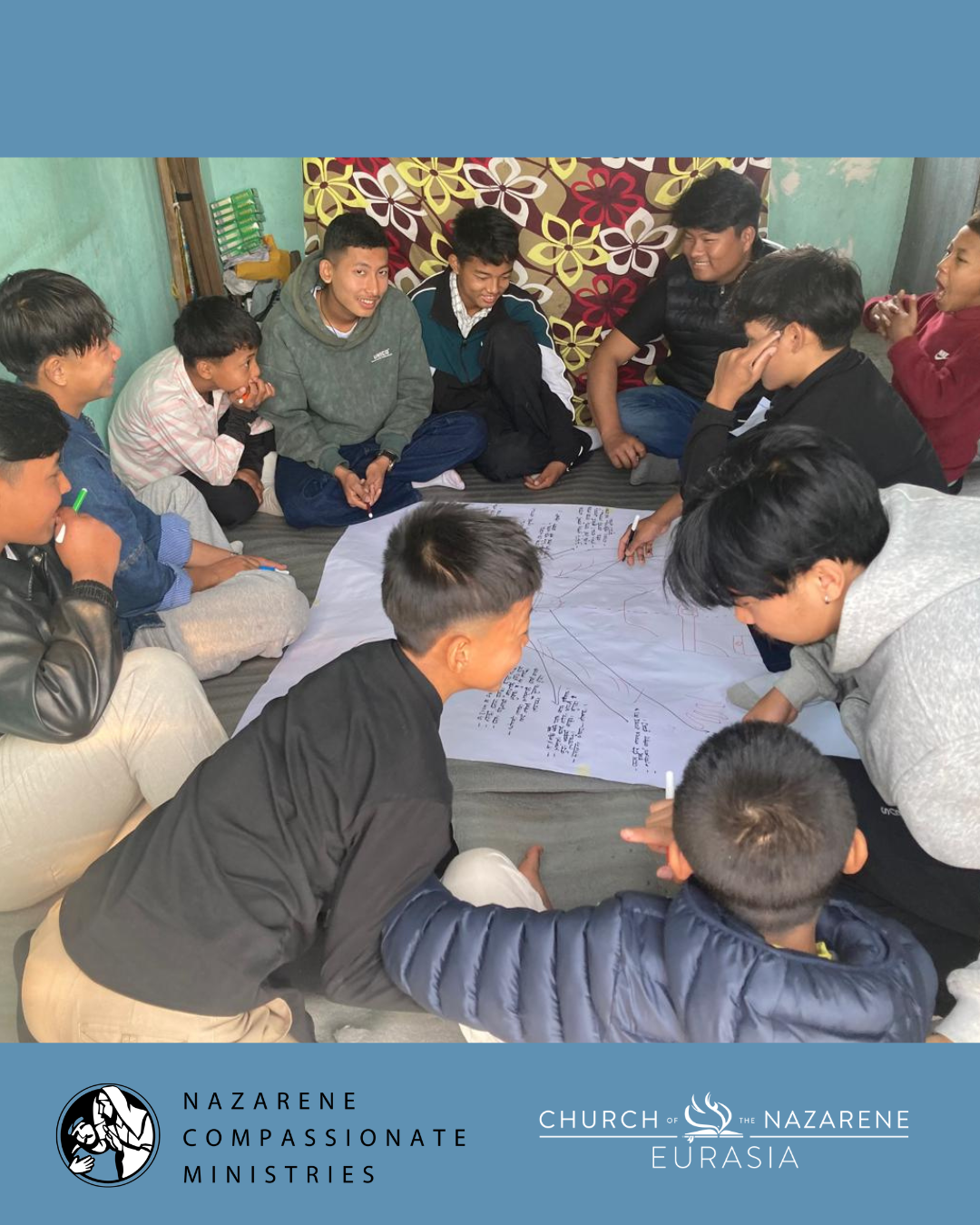
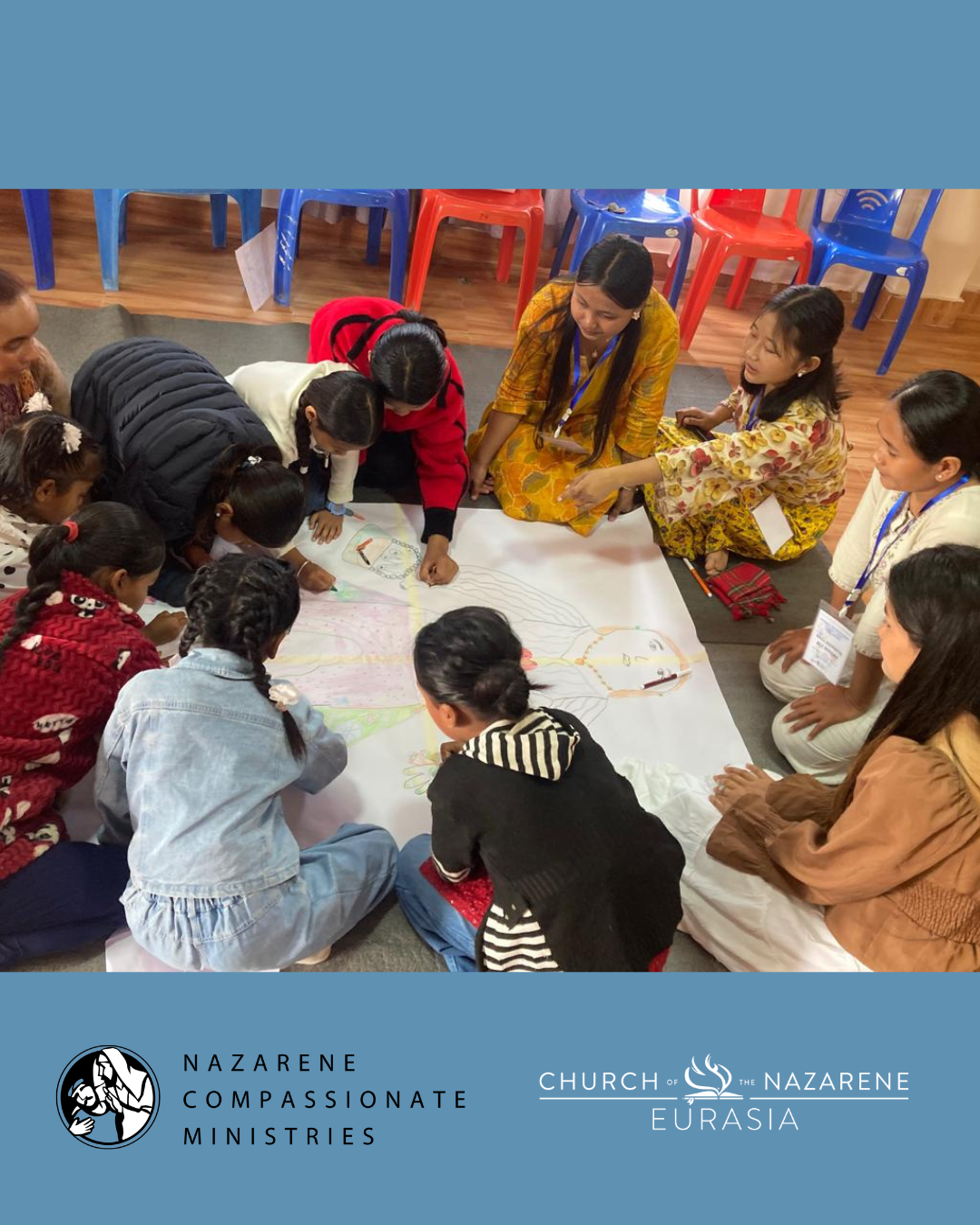
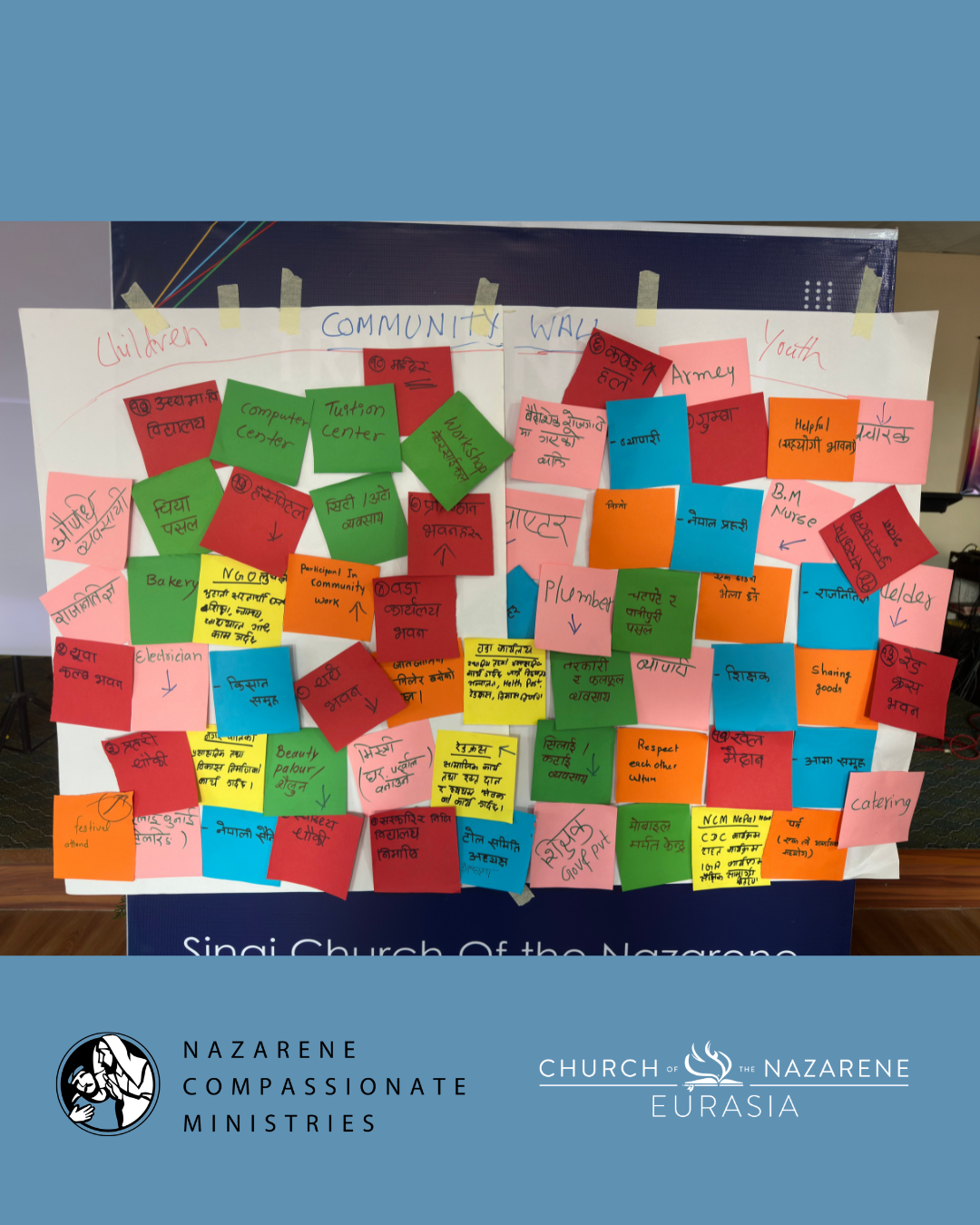
The focus of the training was to equip participants with participatory child and community friendly tools that actively engage children, youth, church members, and the wider community. Together, we explored how to identify the assets and strengths already present within the church and community — and how to use those resources to meaningfully respond to the real needs and realities of children.
A strong emphasis throughout the workshop was listening — truly hearing the voices of children, youth, and families. Rather than designing programs from behind church walls, we reflected on the importance of stepping outside, dialoguing with communities, and co-creating solutions together.
The training encouraged churches to dream creatively about child development — designing and implementing programs that respond to children’s ecology while nurturing their agency across the five dimensions of holistic development: spiritual, intellectual, physical, emotional, and social.
We also had participants from churches running CDCs in small ways that are supported by their local congregations. As these churches look to expand their reach and services, we discussed how NCM can walk alongside them — supporting innovation and helping address gaps that emerge through community dialogue, while continuing to strengthen local ownership.
The workshop included conceptual sessions, group work, mock exercises, and live demonstrations with children and youth from two nearby CDCs. These demo sessions were particularly valuable, helping participants assess their learning and strengthen their ability to facilitate child-friendly dialogue tools.
On February 16th, our Regional HCD Coordinator Komal Waghamare visited several Self-Help Groups (SHGs) formed by parents of CDC children through the church that are actively providing revolving loans and engaging in various income-generating activities through their collective savings. It was deeply encouraging to see these groups functioning consistently and collaboratively, meeting monthly and growing together. These gatherings also provide opportunities for the CDC to share awareness on important topics such as child health, emotional well-being, development, nutrition, violence, addiction, etc.
While the SHGs are formed to support the economic empowerment of families, the long-term vision is sustainability — strengthening families so that, over time, they can contribute toward CDC expenses and support community social action initiatives. This process began a few years ago, and currently the SHGs contribute a small annual amount toward CDC costs and also offer voluntary support to both the CDC and the church when needed. It was encouraging to hear that families’ savings have gradually increased over time.
—-
To learn more about Holistic Child Development or how you can sponsor a child, please go here.