Come and see – things every Nazarene should know about our church in the Middle East
I’ve had the privilege of helping coordinate the Nazarene church’s emergency response efforts in the Middle East for the last 13 years, as well as pastoring the Church of the Nazarene in Jerusalem for 3 years.
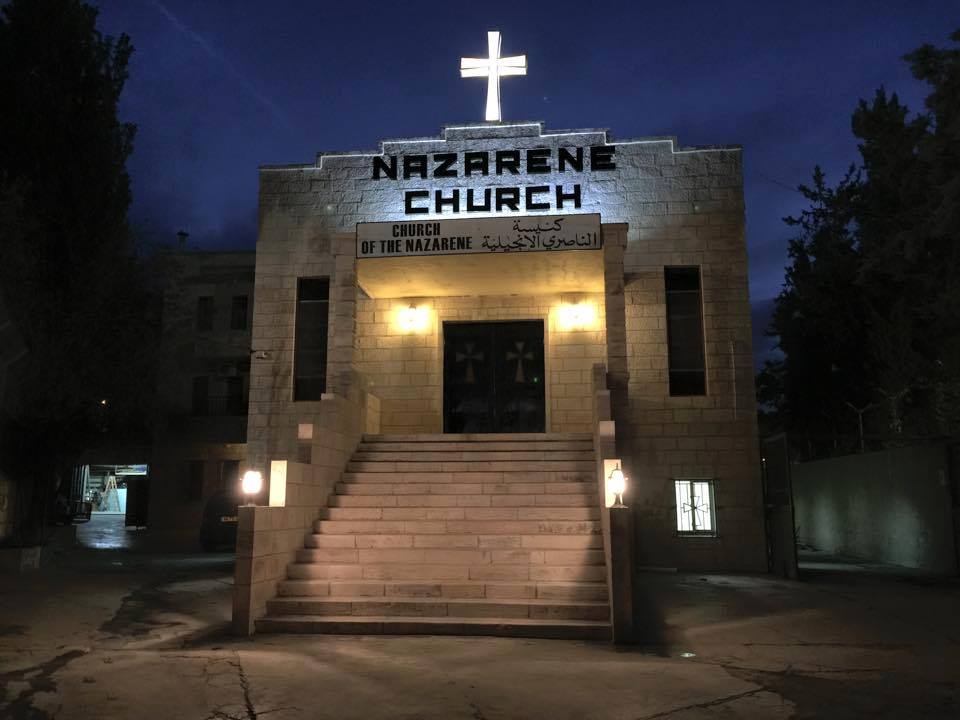
While serving as a pastor in Jerusalem, I spent a lot of time showing people around. Turn right out of the gate of the Nazarene church, and within a two minute walk, you arrive at the site where Stephen was stoned. Two minutes more, you’re at the Garden Tomb. Ten more minutes and you’re at the site of the crucifixion in the Old City. We’d go up the Mount of Olives, with a breathtaking view of the city, and read how Jesus weeps over Jerusalem because they did not know the things that make for peace.
I loved being an unofficial tour guide. To walk with someone along the shores of the Sea of Galilee … what’s not to like?
As inspiring as it is to see the ancient stones of the Shepherd’s Fields in Bethlehem or Peter’s house in Capernaum, today, more than ever, I wish I could bring people to meet the “living stones,” our Middle Eastern sisters and brothers in Christ.
Did you know we have Nazarene churches in Galilee? That might be our first stop, to the Arab Christians who make up our churches there. Perhaps we’d join our pastor from Nazareth, a real Nazarene, and celebrate the baptisms of young people from his church in the Jordan River.
We’d go to the Old City in Jerusalem, where the Nazarene church first gathered in 1921 when ministering to Armenian refugees. We’d stop by Bethlehem Bible College, a Palestinian theological institute equipping Palestinian evangelicals for ministry. A center where Nazarenes have taught and studied in years gone by, which works for peace in the region.
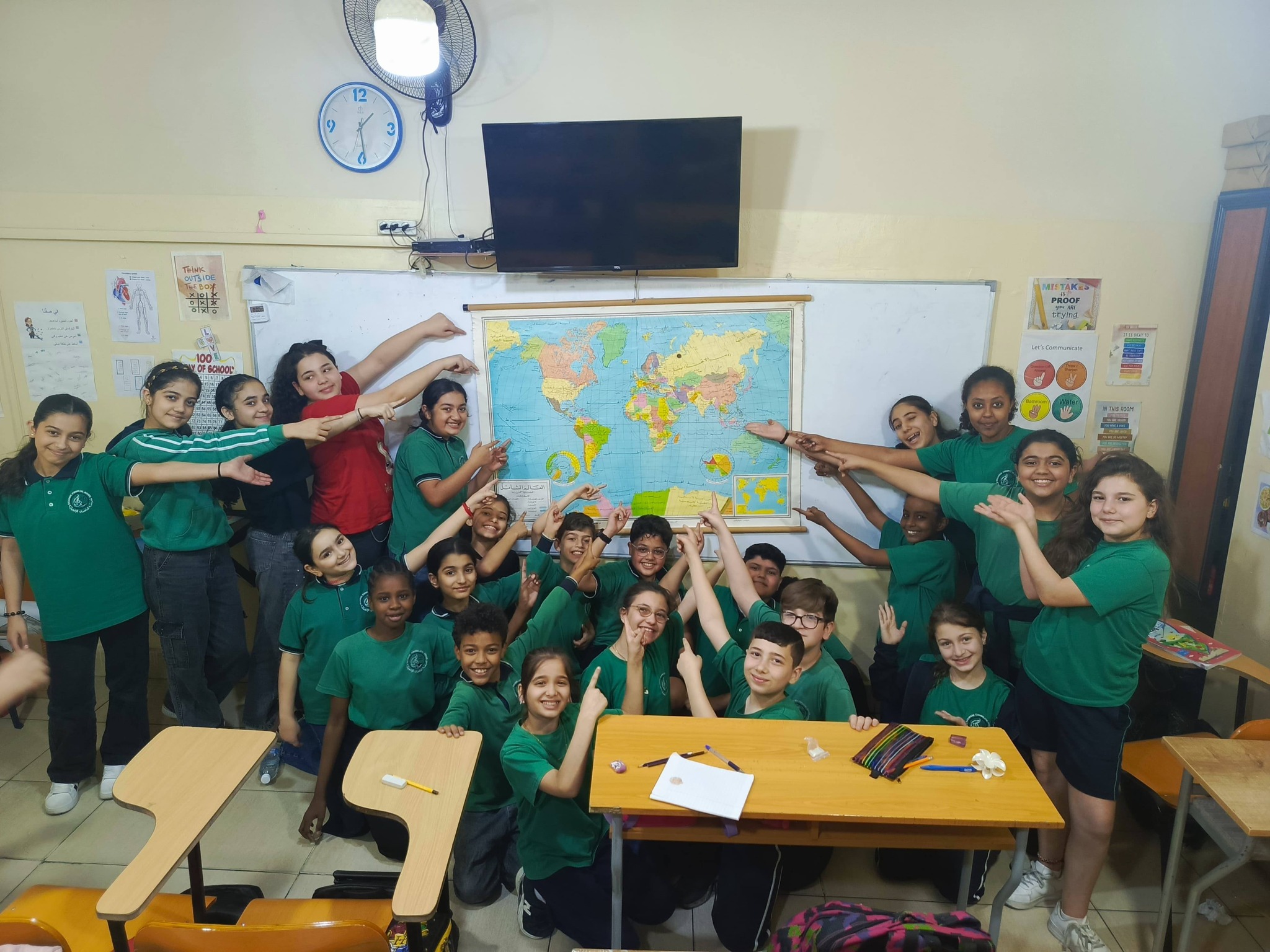
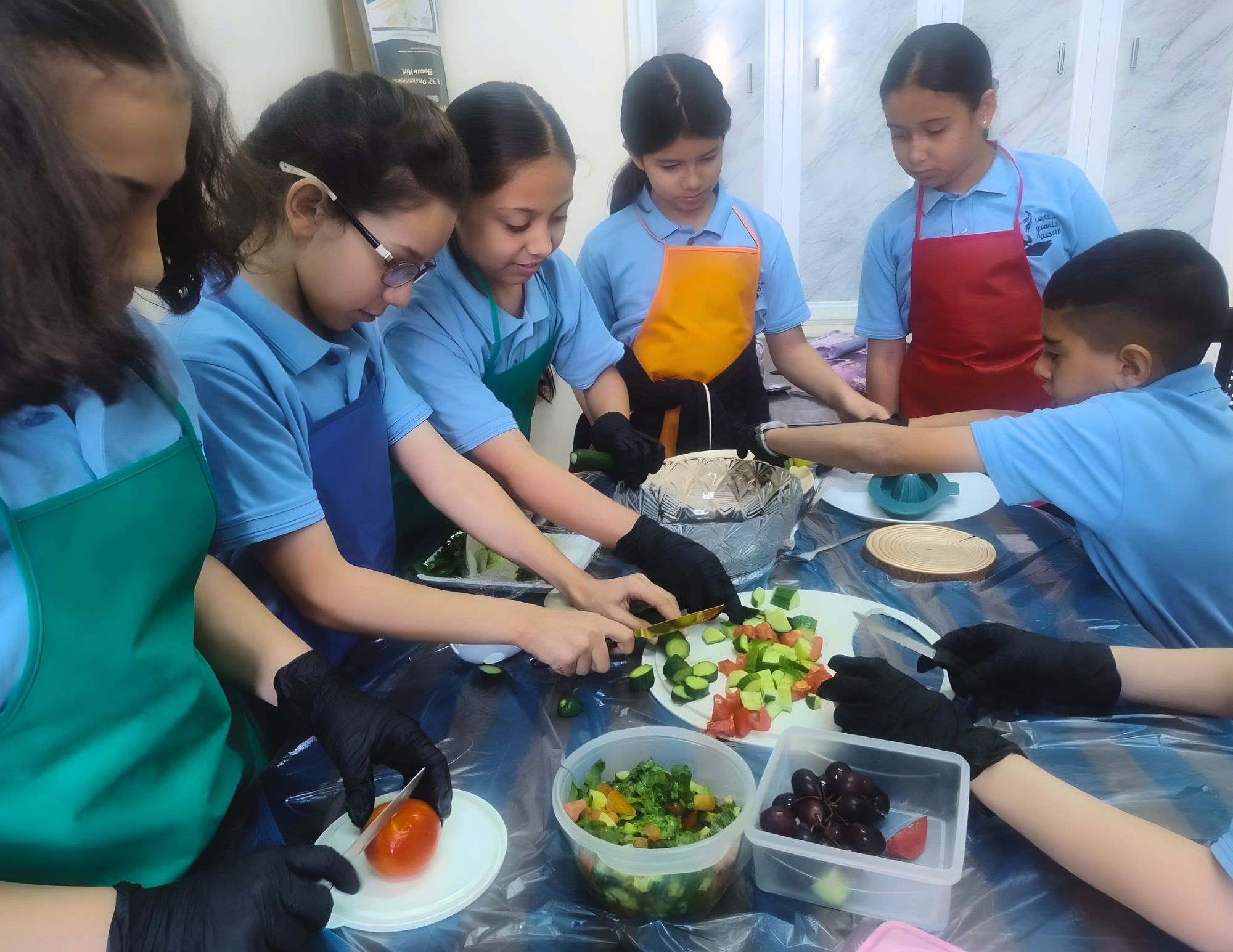
We’d visit our Nazarene schools in Jordan and learn about 75 years of vibrant ministry that has impacted thousands of children. We’d stop by our Nazarene churches, reaching out to refugees from Syria and Iraq, and hear stories of God’s grace that would blow our socks off. We’d see firsthand how the good news is still spreading throughout the Decapolis, including the new Nazarene youth drop in center in the north of Jordan.
We’d have dinner with an Aramaic speaking pastor in Iraq and hear about how they are starting a Nazarene pre school for people of all backgrounds. Our hearts would burn as he shares stories of resurrection hope breaking out in the most improbable of places. We’d see the living stones in Egypt and their micro loans program helping people to get back on their feet.
In Syria, we’d connect with leaders who served throughout countless years of war, earthquakes, and scarcity, and we’d hear how their churches are growing still, as Jesus continues to reveal God’s self to people.
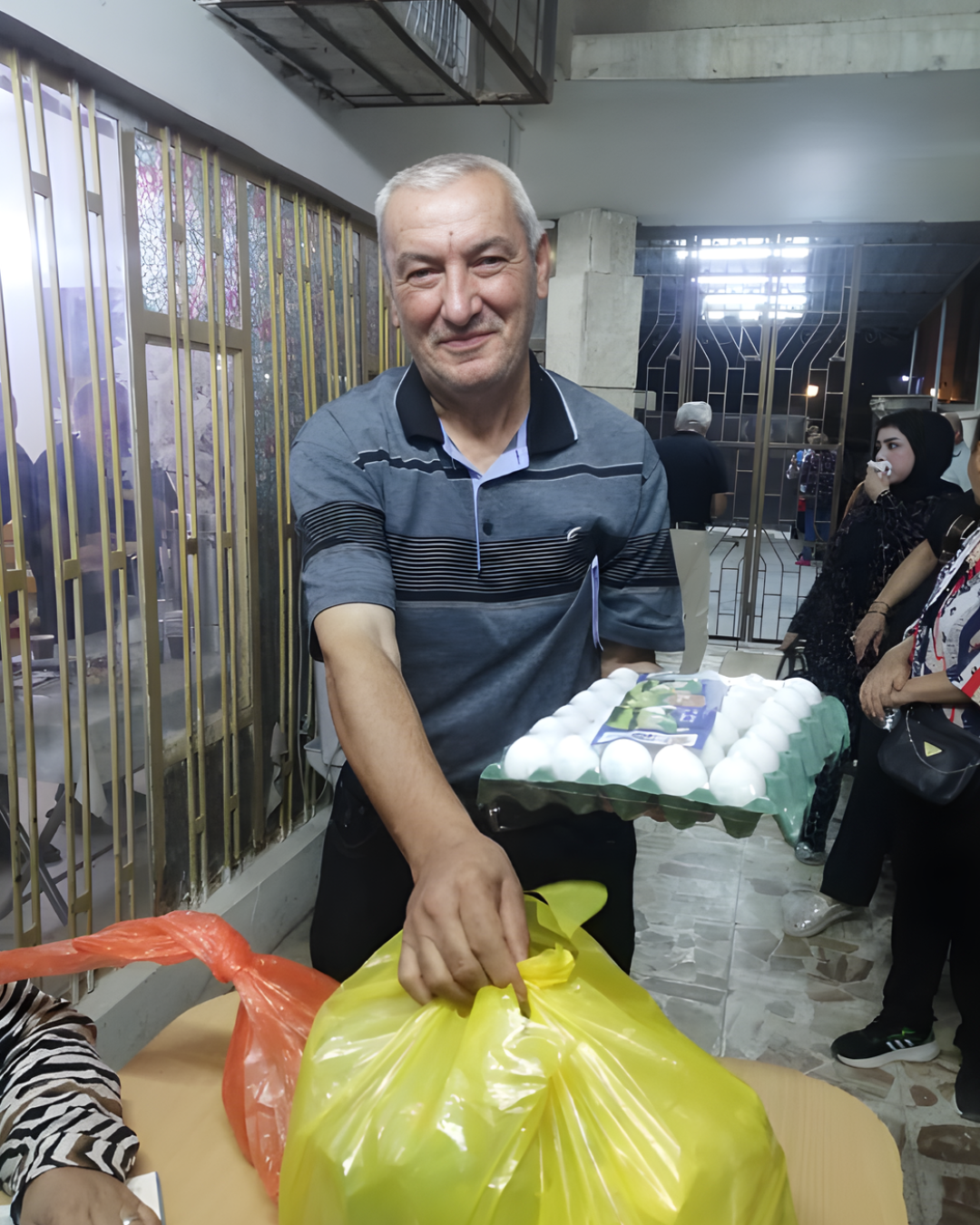
We’d perhaps end our tour in Lebanon and worship at the Nazarene campground in the shade of the Cedars. You’d have coffee with our school principal, who dedicated her life to serving children in need, and eat dinner with our pastors who have served people day and night under Israeli bombardment. They would remind us by their own testimony that “war may shake the ground, but it cannot silence the praise of God’s people.”
We’d leave Beirut filled to overflowing with stories of how God is at work throughout the Middle East, and how the Church of the Nazarene is playing its part.
We would return home, newly cautious of all those who claim God is on their side, because we would have been reminded how God’s heart is for the poor, the downtrodden, and the oppressed. We’d have renewed insight that God’s kingdom does not conform to any national boundaries or favor one ethnicity over another, Paul’s words ringing in our ears that Christ has broken down the dividing wall and there is no longer Jew or Gentile, male or female, slave or free.
We would watch the news differently, and it would break our hearts even more. We’d have witnessed how some of our countries are complicit in wars that have destroyed so many lives. We’d lament and write to our elected officials, saying, “not in our name.” We would raise our voices to shout for peace, and truthfully live out Jesus’ calling to be peacemakers.
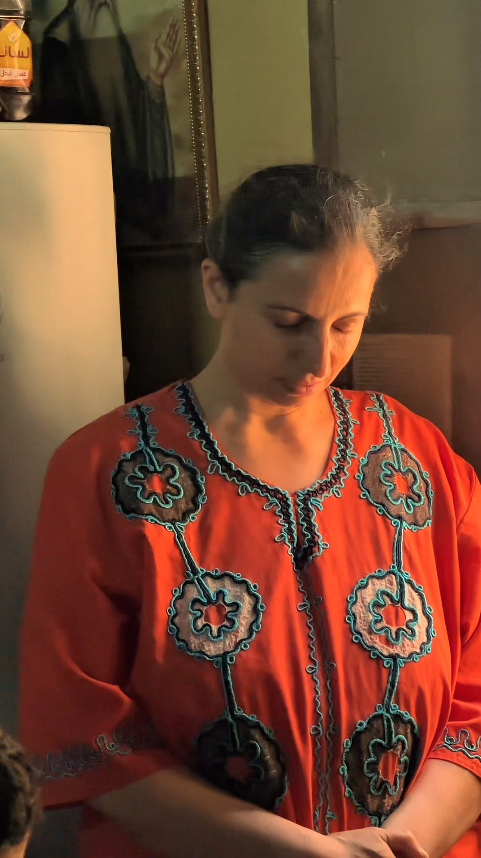
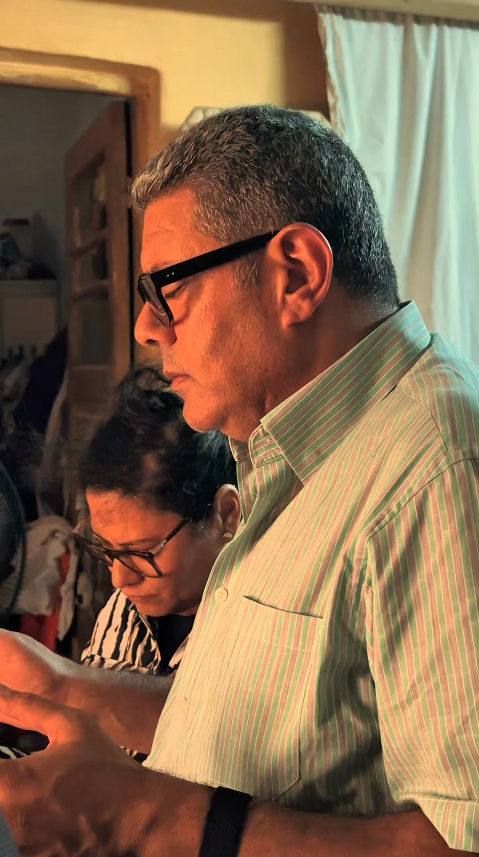
As a denomination, we can be immensely proud of local Nazarene churches throughout the Middle East who serve those in need with such fortitude, courage, and generosity, and have done so for more than 100 years.
The global Nazarene family has contributed enormously to lifesaving support in the Middle East. Keep going. Don’t stop. And where we can, let’s use our voice to cry out for peace.
By Tim Bowen Evans for NCM Magazine