Over the last year, many in Ireland have shouted a resounding “no!” to refugees. However, from the Irish Church of the Nazarene, there has been a resounding “yes!” Many refugees in Ireland spend their first few days or weeks in the country living on the street, often in makeshift tents, before being moved to government-run facilities, such as former hotels, government-owned buildings, or newly erected tent shelters.
In May 2024, temporary housing in the form of tent accommodations was constructed in a neighboring village. This was met with significant opposition from residents in the area, most notably in the form of daily protests outside the entrance to the camp that made global headlines.
A Place of Welcome
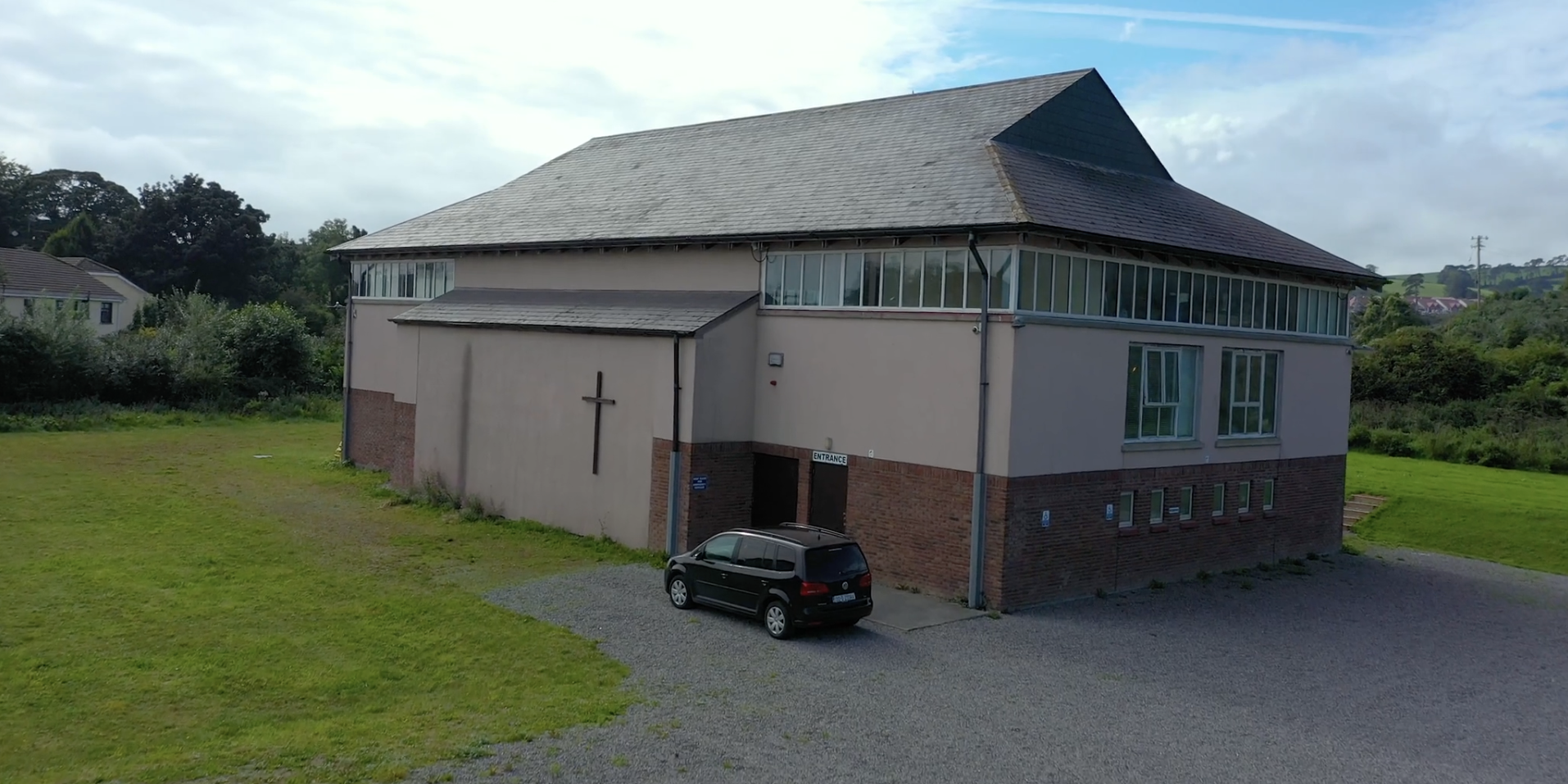
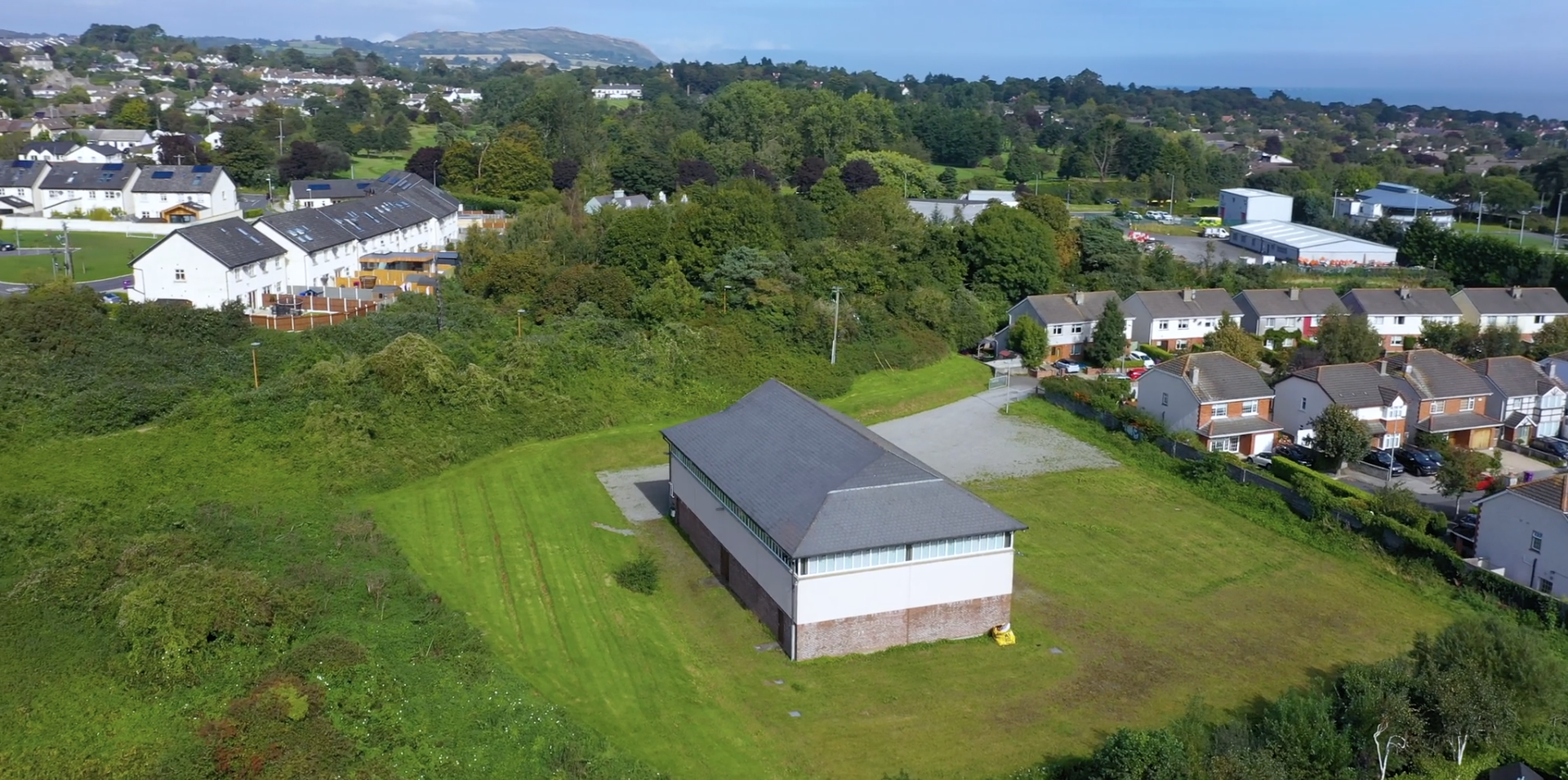
In response, the Church of the Nazarene in Ireland decided to open its doors to these newly arriving asylum seekers so that they could socialize, learn English, and help integrate into life in Ireland.
“My father always told me, ‘If ever you are in trouble in life, find a church, and they will help you,’” said Sofiane, a Palestinian man seeking asylum in Ireland and attending English classes at the Nazarene church. He is one of thousands of asylum seekers who arrived in Ireland in recent months, looking for a better future for themselves and their families.
There were many residents in the area who welcomed the refugees and were delighted to have a chance to connect with them but did not know how to help. The Church of the Nazarene began to connect closely with others in the community who wanted to support refugees – joining hands to do something collaboratively.
“I was a little bit scared from the protestors,” said Anas, a young man from Gaza. “When we started going to the church and seeing Irish people in the church, we met good people and a good community. It was going better and better. We started to feel safe, because we found people in the church that love us and care about us.”
Changing Perspectives through Relationships
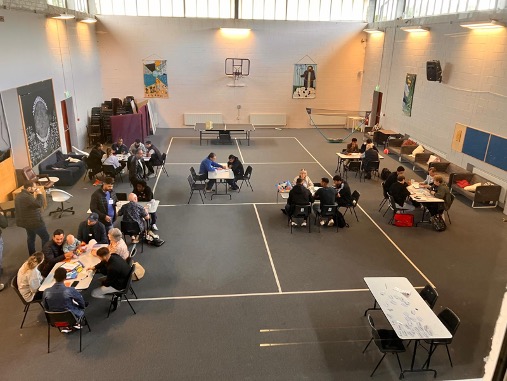
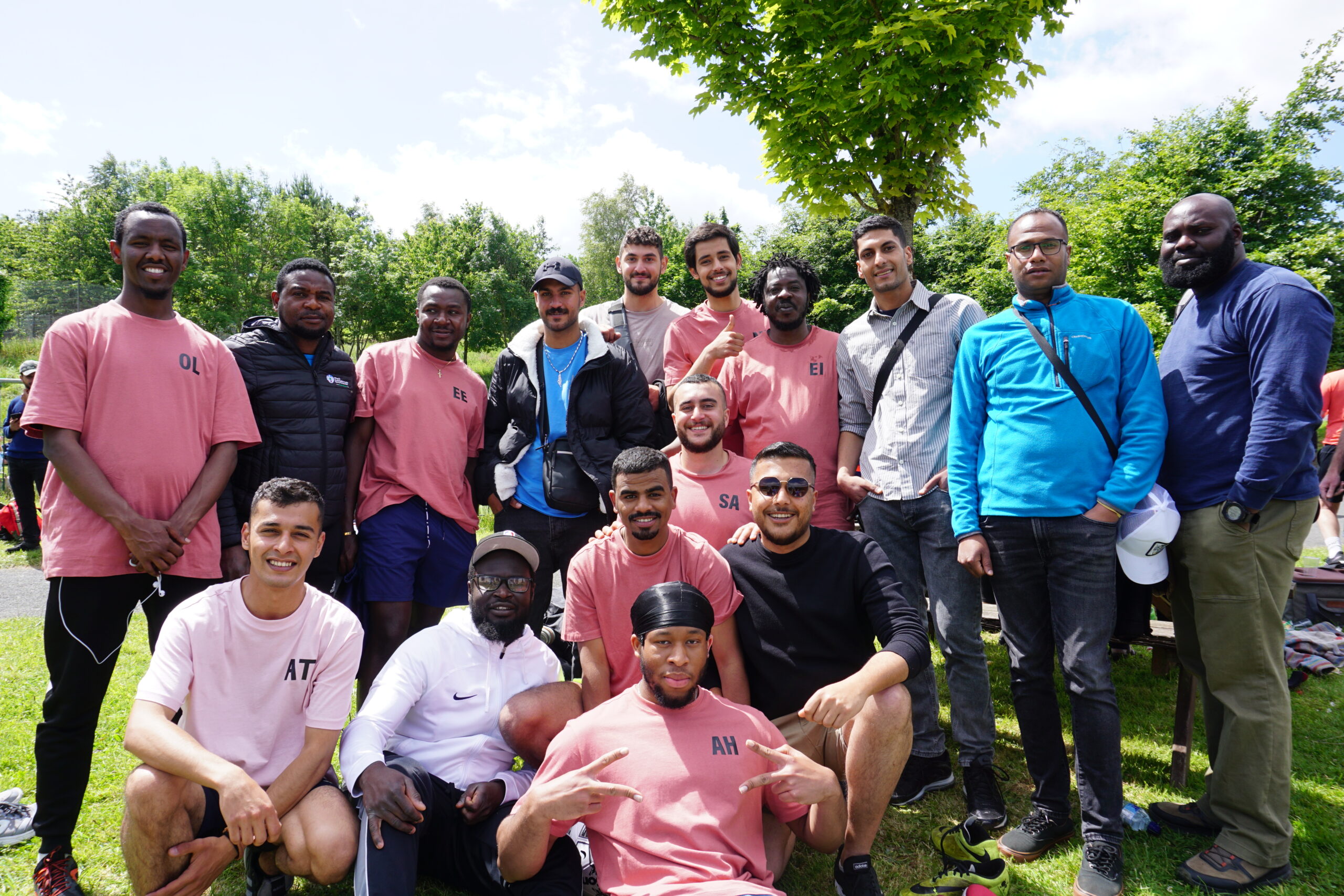
For the first few weeks after the camp opened, the church became the central point for hosting English classes. Due to the daily protests, the church organized buses every Monday and Wednesday to transport people safely to the class. While the church hosted the classes, the teachers and volunteers came from all throughout the community. Soon, there were more than 40 volunteers who gave their time to build friendships and teach English. Another local education organization provided the learning materials and curriculum and training for volunteers.
The church’s collaboration with other community groups and individuals was a high point and a reason for so many positive outcomes in a short time. Collectively, there were weekly running clubs, rewilding activities, community clean-ups, exercise classes, picnics, hikes, and advocacy events. The church focused primarily on English classes, sports, and collecting donations.
“It wasn’t necessarily about teaching English, but I knew it would be an incredible bunch of people who were strong and resilient, and if there was any way to connect with them and help, I wanted to be involved,” said Lindsay, a member of the church and English language volunteer.
Fiona, another church member, said, “I didn’t want to help originally, but God poked me. God kept putting it in my head, and then I understood we have to help others, regardless of who they are or where they came from… it’s what Jesus did and wants us to do.”
The classes paved the way for deep friendships to grow. “Learning their names, their stories, their likes and dislikes, and what they are good at—it was a joy to be able to be in a relationship with them,” said Rachel, a volunteer. “I have made a few lifelong friendships from that group, and that has been priceless.”
The church became a hub for language classes and the collection of material donations such as clothes, toiletries, and blankets. In addition, the local government’s integration team—responsible for helping refugees settle in Ireland—began to use an office at the church for one-on-one sessions with the men to connect them to the services available to them, such as health care, education, and work permits. The church also hosted a football (soccer) competition for a hospital in Gaza, and a team from the refugee camp took part. Several of them knew the hospital personally and relished taking part in the tournament.
The camp became a temporary home to people from all over the world—Palestinians, Afghans, Somalis, Nigerians, and Sudanese. A number of men from Eswatini (formerly Swaziland) were there, including Muzi, who was born in the Nazarene hospital there.
Sharing Christ when Hope is Needed Most
“I must say in those days, Ireland had begun to feel like home; I really enjoyed studying the Bible with people who actually show the heart of Christ,” said Muzi, who began to attend a weekly home group at the Nazarene pastor’s house near the camp.
Anas and Ismael are two young men from Gaza who regularly attend the church. With the help of the church and others in the community, they managed to put down roots in the area. Both have started jobs in a coffee roastery and bakery and are able to pay their own rent. In turn, they are also serving others. “You believed in me to open the church,” said Anas, who is now a key holder and helps host sports twice a week in the church.
“Through the competitions, playing, support for housing, for clothes and water – you fix all my life. Me and my friends as well,” said Ismael, who lost his father and sister to Israeli airstrikes in Gaza.
“It is so important for the church to engage in these issues,” said Rachel, “because the church has the ability to bring love and freedom to such a desperate situation. It says in 1 John, ‘There is no fear in love, but perfect love drives out fear’, and there has been and still is a lot of fear surrounding asylum seekers coming into Ireland. However, the church has the opportunity to drive out that fear with love.”
Despite the hostility of protests and the intimidating atmosphere in the town, the church made a decision to stand with these men. Over the course of the year, the church has developed a reputation for being a place that cares for refugees. “I feel like that is the definition of what church is,” said Lindsay. “It is meant to be that place in the community that meets people with whatever they need.”
“Our life as a church has been enriched by the whole experience,” said Rev. Tim Bowen-Evans. “To welcome the stranger is part of the fabric of Christian life. To work hand in hand with others in the community and practice compassion together has been incredible. We can do so much more when we partner with others.”
“We take seriously Christ’s command to welcome the stranger, especially when they are the recipients of hostility and violence for simply seeking refuge,” said Rev. Luke Carrig, one of the other pastors of the church. “The English classes, hosted at our church, provided safety and friendship and the mutual blessing of learning from each other – it was a joy! In welcoming them, we were, in fact, welcoming Christ.”
When asked about coming to church for the first time, Anas explains, “you feel completely that you are with your family. You are home.” That has been the church’s dream all along, that these men who have traveled thousands of miles in dangerous conditions would feel loved and embraced – that they would indeed feel like they are home.
-story and photos by NCM Eurasia, published in the latest NCM Magazine