For many Iraqi families, home is no longer a place of safety or peace. Years of conflict have
forced millions to leave behind everything they’ve ever known—homes, jobs, and communities
that have been part of their lives for generations. These families, displaced by war and strife, find themselves in a new country, not as visitors, but as those who are trying to rebuild their lives from the ground up.
In Jordan, a country that has become a sanctuary for many, families from Iraq struggle with
uncertainty and loss. They wait, sometimes for years, for a chance to resettle and start anew. But in the midst of their waiting, there is a quiet, powerful story unfolding—a story of faith, compassion, and the incredible strength of community.
The Exodus of Christians from Iraq
In 2003, Iraq was home to approximately 1.5 million Christians; today, only around 200,000
remain. Those who have left continue to seek better opportunities in neighboring countries, with Jordan being one of the primary destinations. It’s estimated that 165,000 Iraqis currently reside in Jordan, a nation not much larger than the state of Maine. Many have settled in Amman, the capital, while waiting for proper documentation to resettle permanently in countries like Australia, Canada, or other Western nations.
Gardens: A Refuge for Iraqi Families
One such community in Amman, where many Iraqis have chosen to settle, is known as Gardens. Nearly 12 years ago, Pastor Zaki Kopti and his wife, Fadia, began visiting these new arrivals, offering hospitality and compassion. They often heard the same refrain over cups of tea and biscuits: “We are wasting our time here.” Refugee status prohibited them from working, adding to the overwhelming difficulty of having to wait indefinitely, sometimes for years, to learn what their future holds.
Many of these community members who have been displaced had once enjoyed thriving
businesses, and many of them are incredibly well educated. They were once able to provide for
their families and contribute to the thriving of their communities. Yet now, they found
themselves with little to do.
“Iraqi people are hard workers; for them to sit at home is really miserable,” said Pastor Zaki.
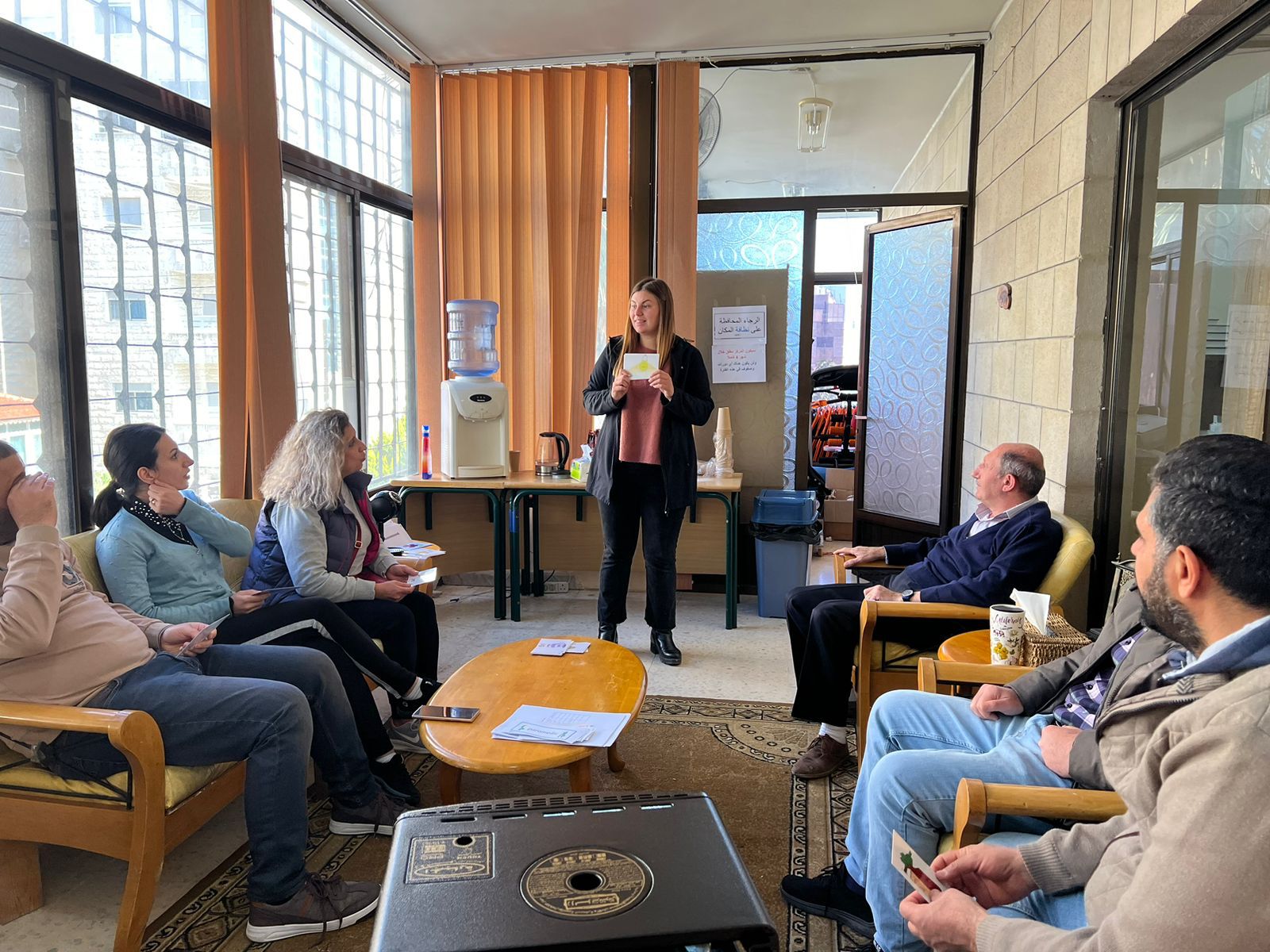
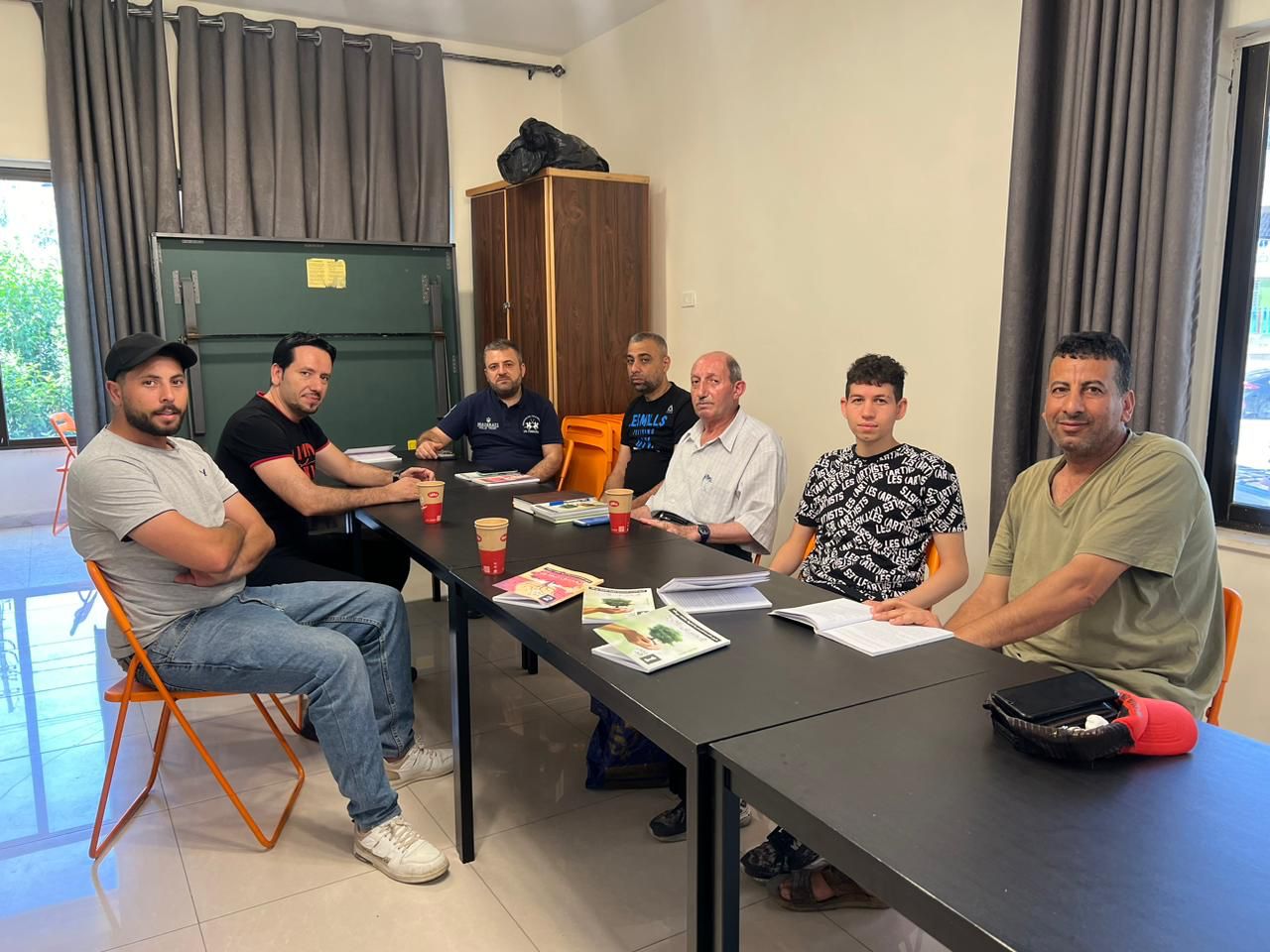
Fadia, seeing the need for something more, suggested, “Why don’t we teach them English?” With many people uprooted by conflict hoping to resettle in English-speaking countries, the idea was quickly approved, and a text message went out announcing the class.
A Surprising Response
Pastor Zaki and Fadia were taken aback by the response. “I’ll never forget that number,” Pastor Zaki recalled. “It was 178 [people who signed up].” While they saw this as a challenge, it was also the beginning of something transformative.
Gardens Church of the Nazarene: A Community Center of Hope
The community center at Gardens Church of the Nazarene grew out of this challenge. With the
help of donors and Nazarene Compassionate Ministries, they expanded into an adjoining space. Volunteers were recruited, and the center was opened to any refugee who wanted to teach or participate in activities.
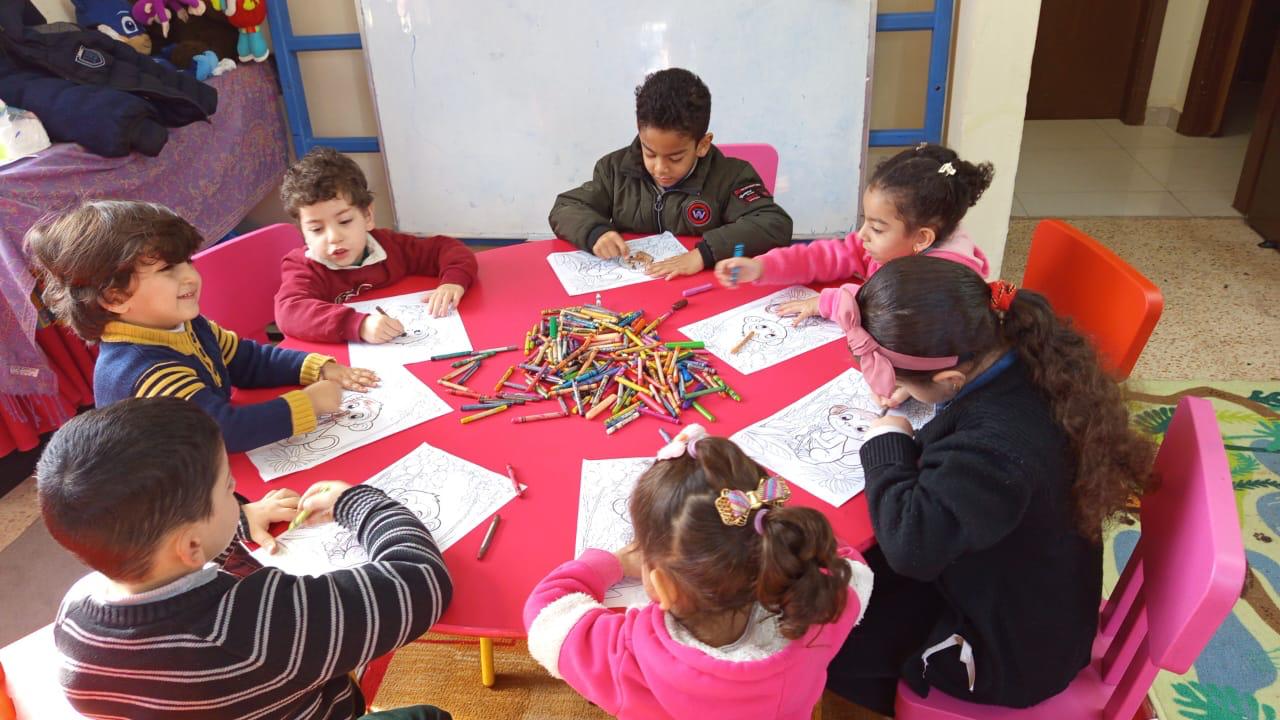
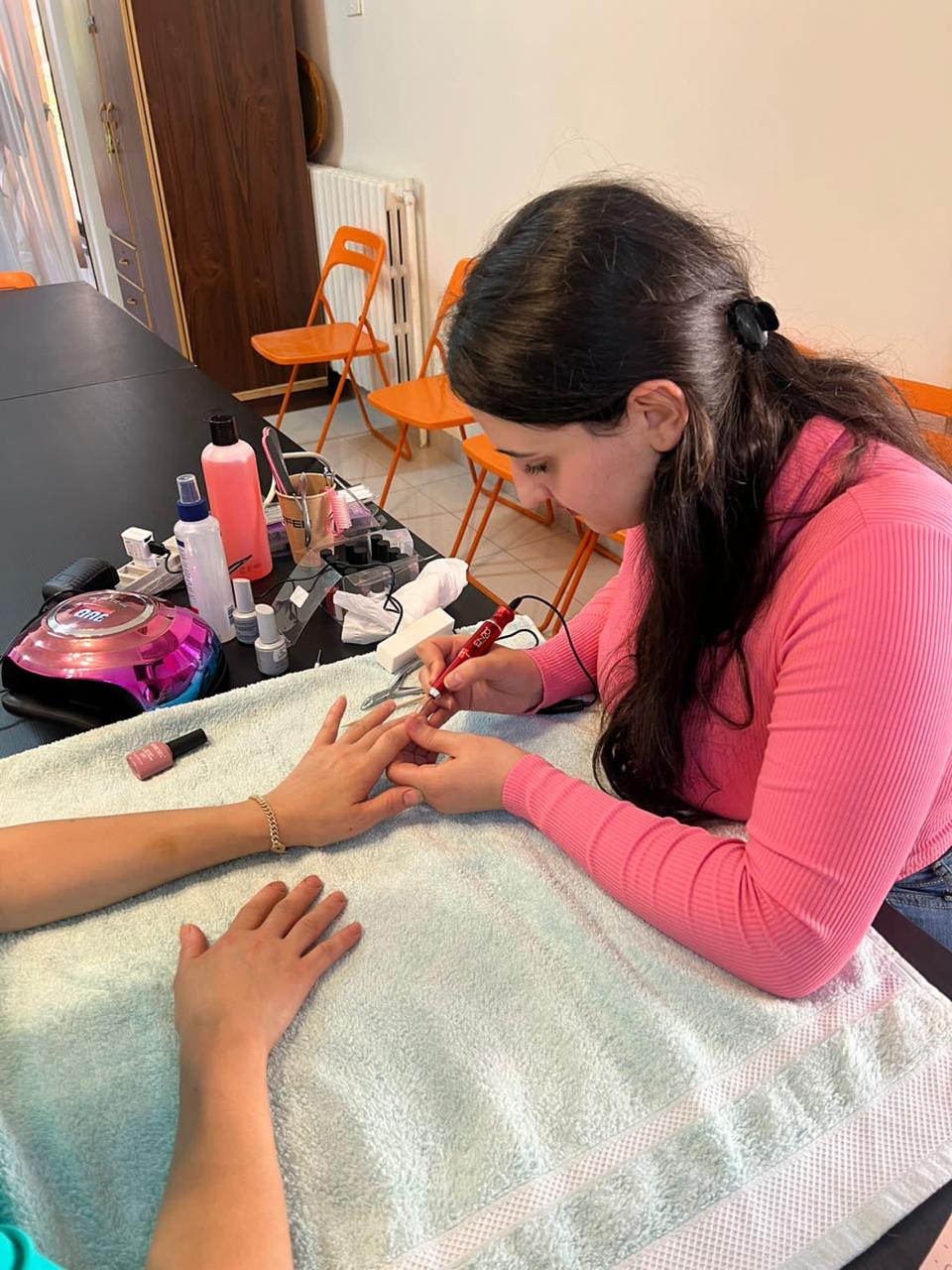
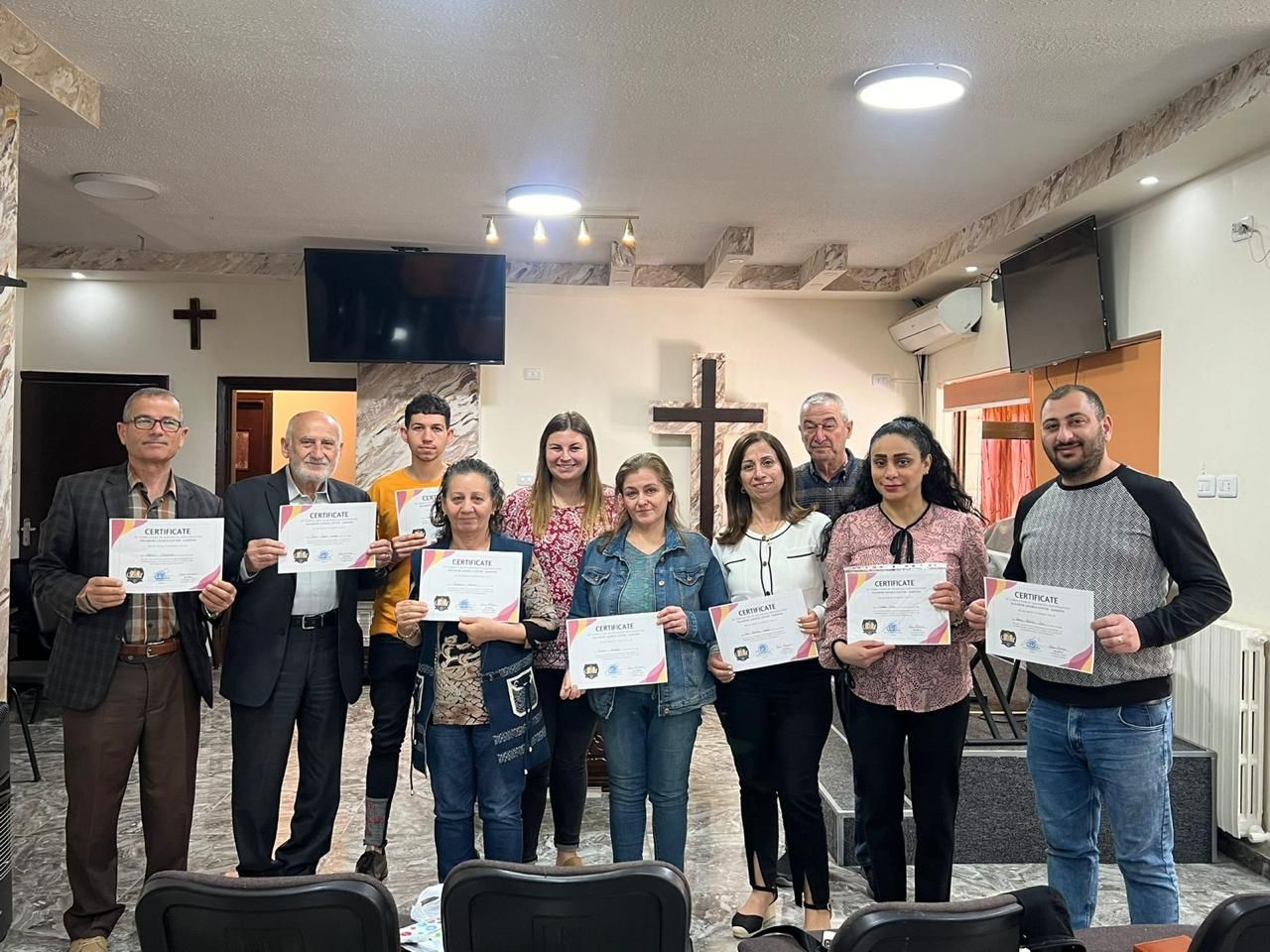
Over time, a variety of programs began to take shape: cooking classes, a nail salon that provides jobs and job training, nutrition classes, personal training sessions, computer classes, and educational lectures. One of the most notable initiatives was a preschool for children with
disabilities who weren’t accepted anywhere else.
Pastor Zaki’s Vision
“This is our opportunity to show the love of God, not just talk about it,” Pastor Zaki said with a
chuckle. “It’s easy to talk about love, but it’s much harder to show it.”
His vision for the center was clear: not just preaching on Sundays but demonstrating Christ’s
love through actions.
“They need to see Christ in us—the love, his mercies, his grace—when we care about them,
show them love, and spend time with them.”
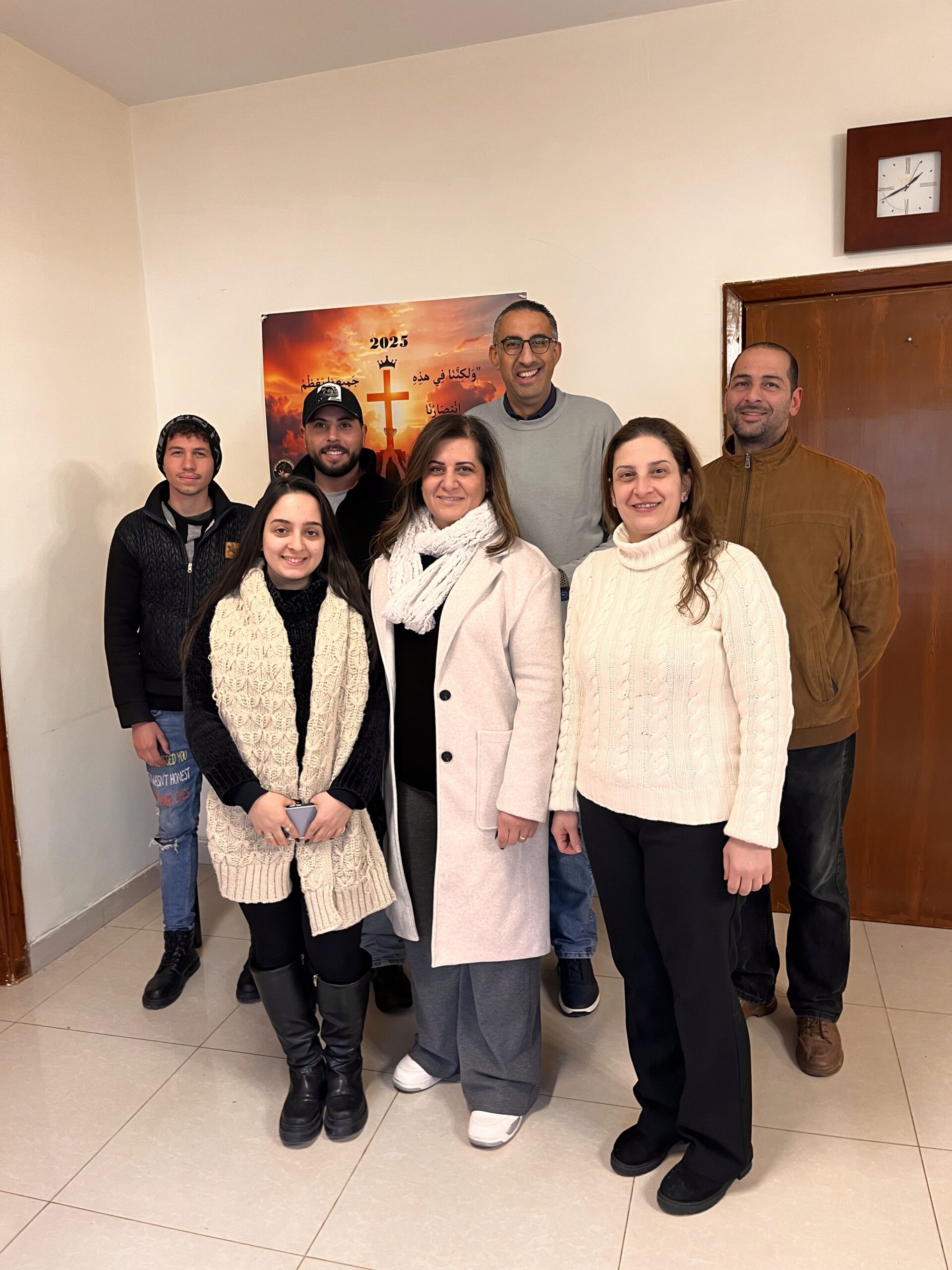
The center operates Monday through Thursday, 9:00 a.m. to 3:00 p.m., and is supported by four dedicated staff members: Marian, Lina, Ghassan, and Omar. Most importantly, the center offers a safe space for those who might never otherwise step into a church building. As needs arise and friendships are formed, prayers are offered, and the center becomes a place where the love of God is made tangible.
The Barbershop: A Symbol of Service
Adel* and his brother Rami* arrived in the Gardens area from northern Iraq about four years
ago. After connecting with the church, they approached Pastor Zaki with an offer to give back.
“What skills do you have?” Pastor Zaki asked. And just like that, in partnership with Nazarene
Compassionate Ministries, when Adel and Rami replied that they were skilled barbers, a new
barbershop was born at the church’s community center.
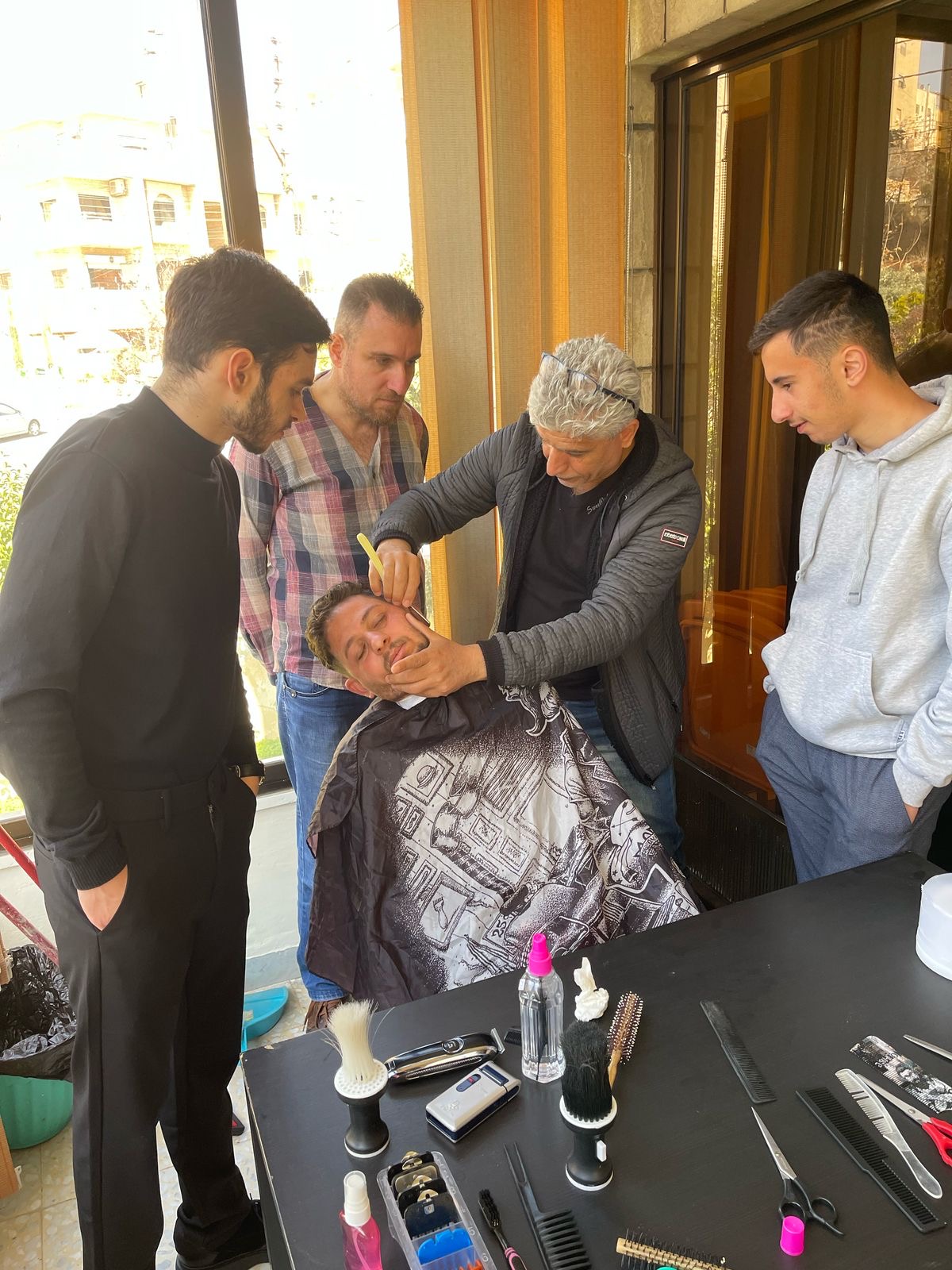
Every week, Adel and Rami open their shop and offer free haircuts to more than 20 people from various nationalities and faith backgrounds.
“Haircuts can be expensive for refugees, so getting one for free is a big blessing,” says Pastor
Zaki.
Training Future Barbers: A Ripple Effect
In addition to providing a much-needed service, Adel and Rami have begun training others in the art of barbering. Trainers from Egypt, Syria, and Sudan have been brought in to teach the craft, which boosts the self-confidence of the trainees. These skills will help the refugees secure
employment once they resettle, giving them an invaluable asset to rebuild their lives.
“Two years ago, Pastor Zaki invited us to provide this service, and so many people have
benefited,” said Adel. “We are so honored to offer this service and give back. We receive so
much goodness by helping others. We have gotten closer to the Lord and learned much more
through our discipleship Bible studies. It is wonderful to be empowered to serve.”
A Transformative Ministry of Service and Hope
What began as a simple act of welcoming people into a church building—people forced to flee
from everything they knew, experiencing a new city for the first time—has grown into a full-
fledged ministry that serves not just the spiritual needs of those displaced by war but also
addresses their practical needs.
The Gardens Church of the Nazarene community center stands as a beacon of hope for the
refugee families who have lost so much. Through the love, grace, and service offered by Pastor
Zaki, Fadia, and the rest of the team, they are not just offering a temporary refuge; they are
helping to rebuild lives—one haircut, one lesson, and one act of service at a time.
Names have been changed for safety.
-shared from NCM Magazine, story and photos provided by the Eurasia Region