Have you ever asked yourself what formation you need before you can become ordained as a minister in the Church of the Nazarene? And who decides that?
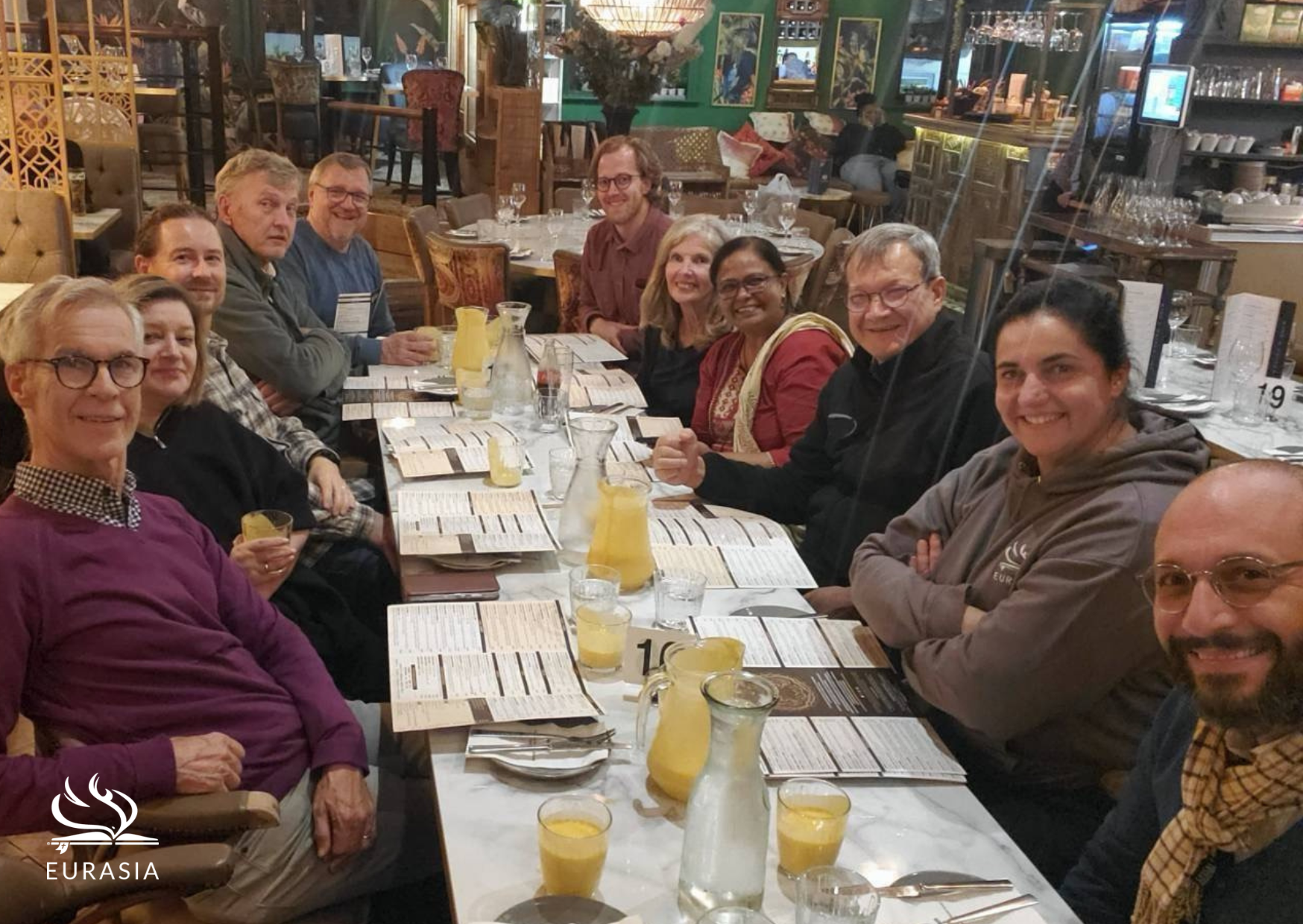
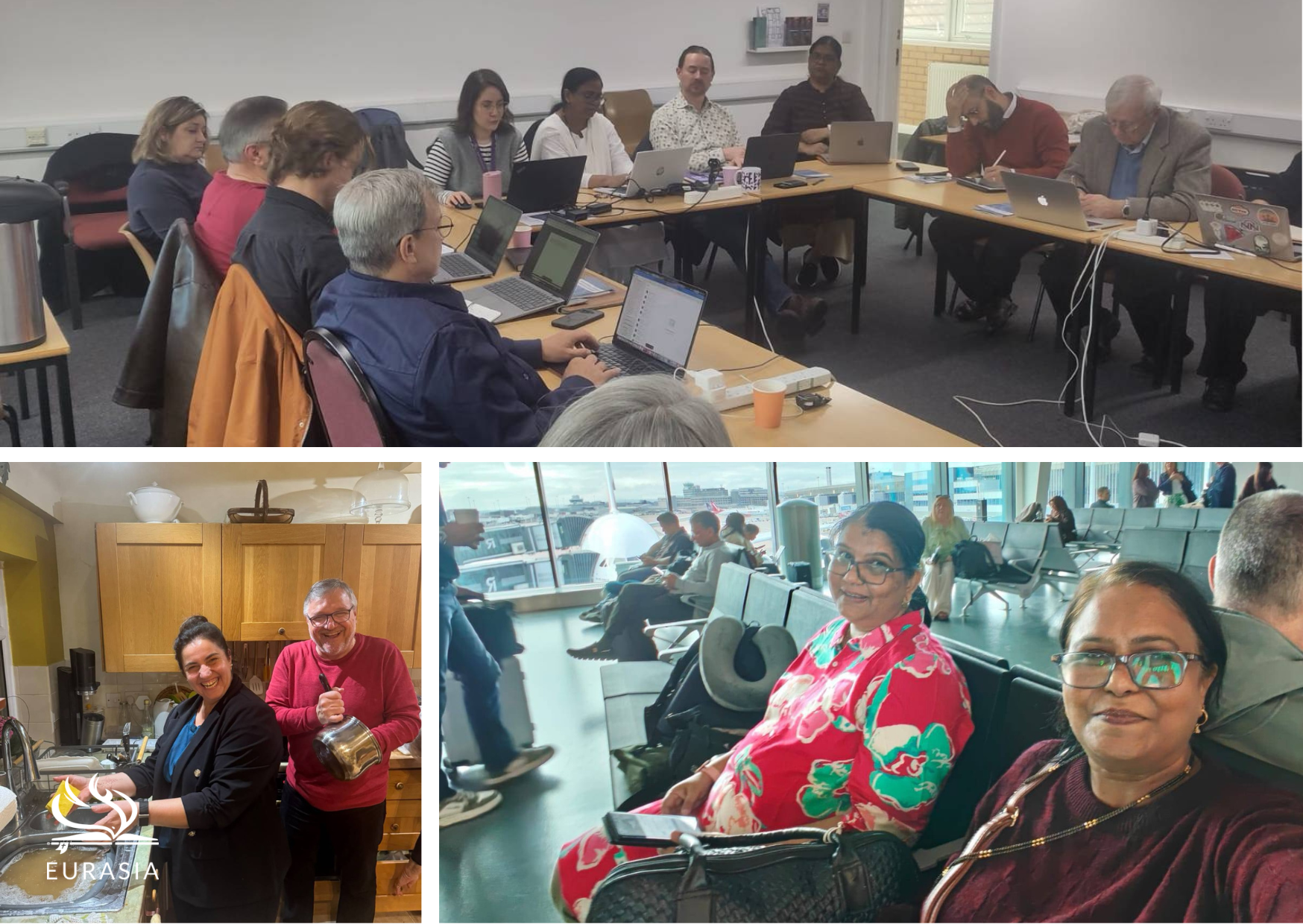
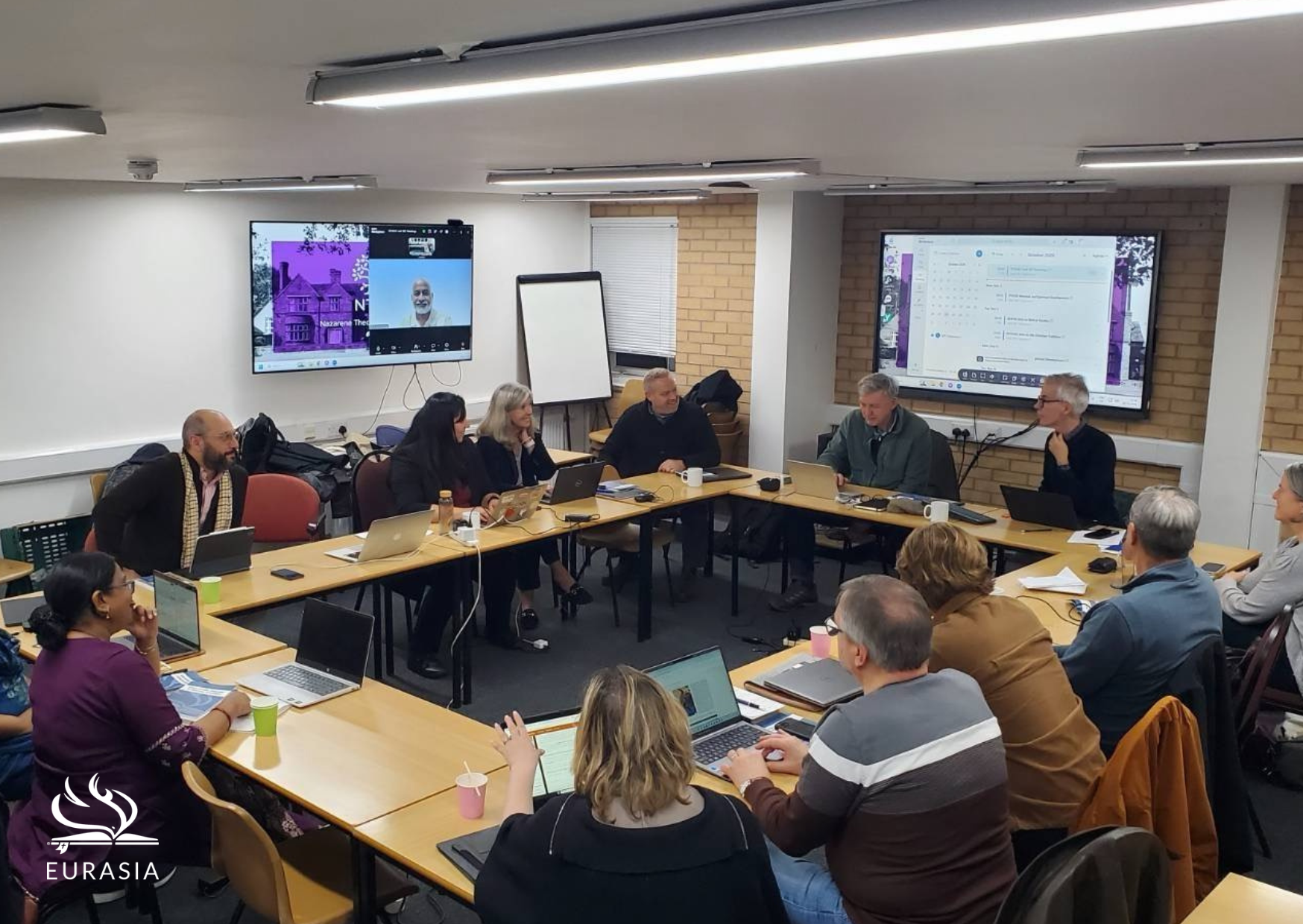
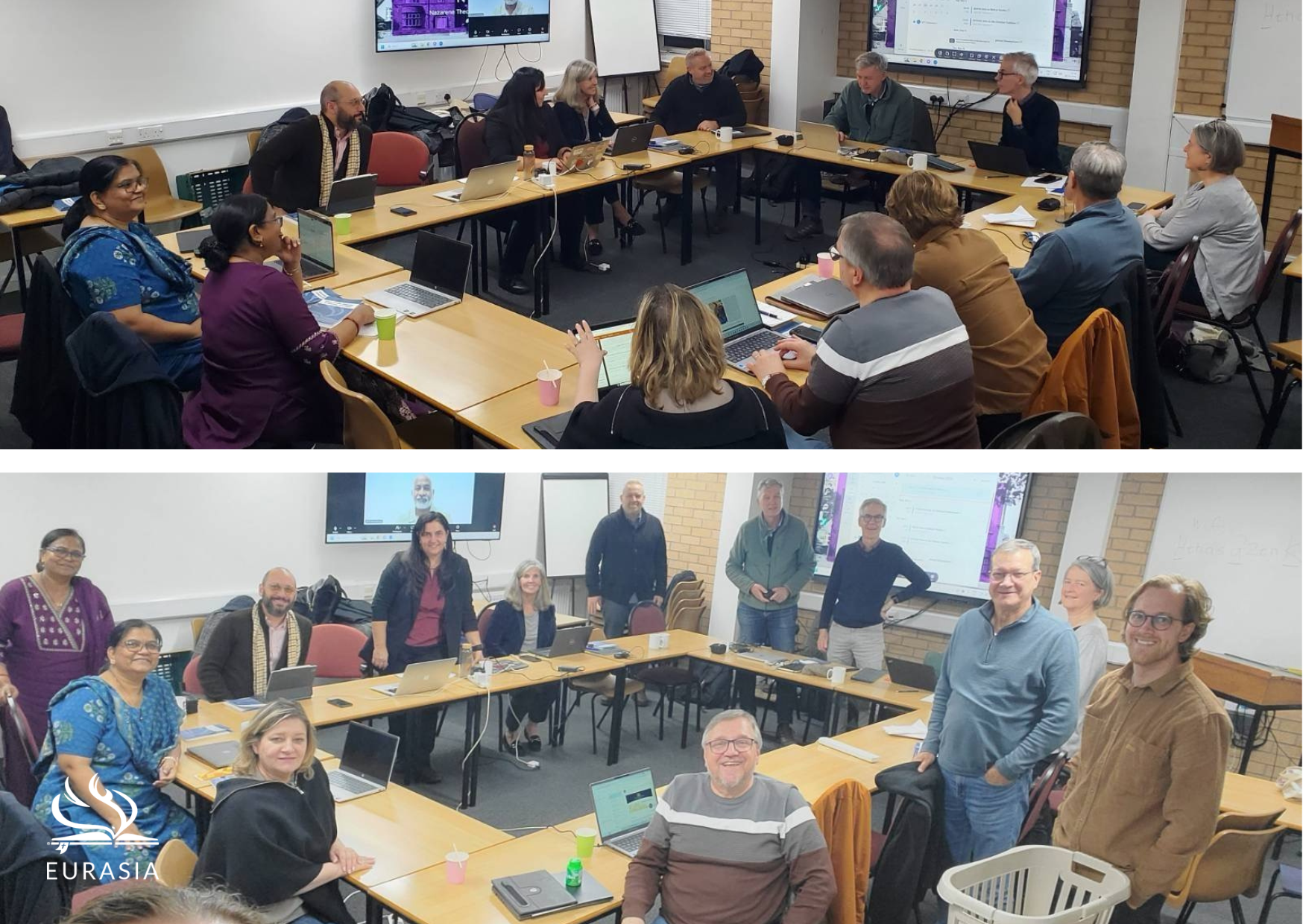
Well, meetings of the Regional Course of Study Advisory Committee, hosted last week by NTC Manchester, played a key part in that conversation. The Global Church of the Nazarene approves the international standards for ordination – and the ‘International Sourcebook for Regional Development’ – but then each region must apply those to its unique context.
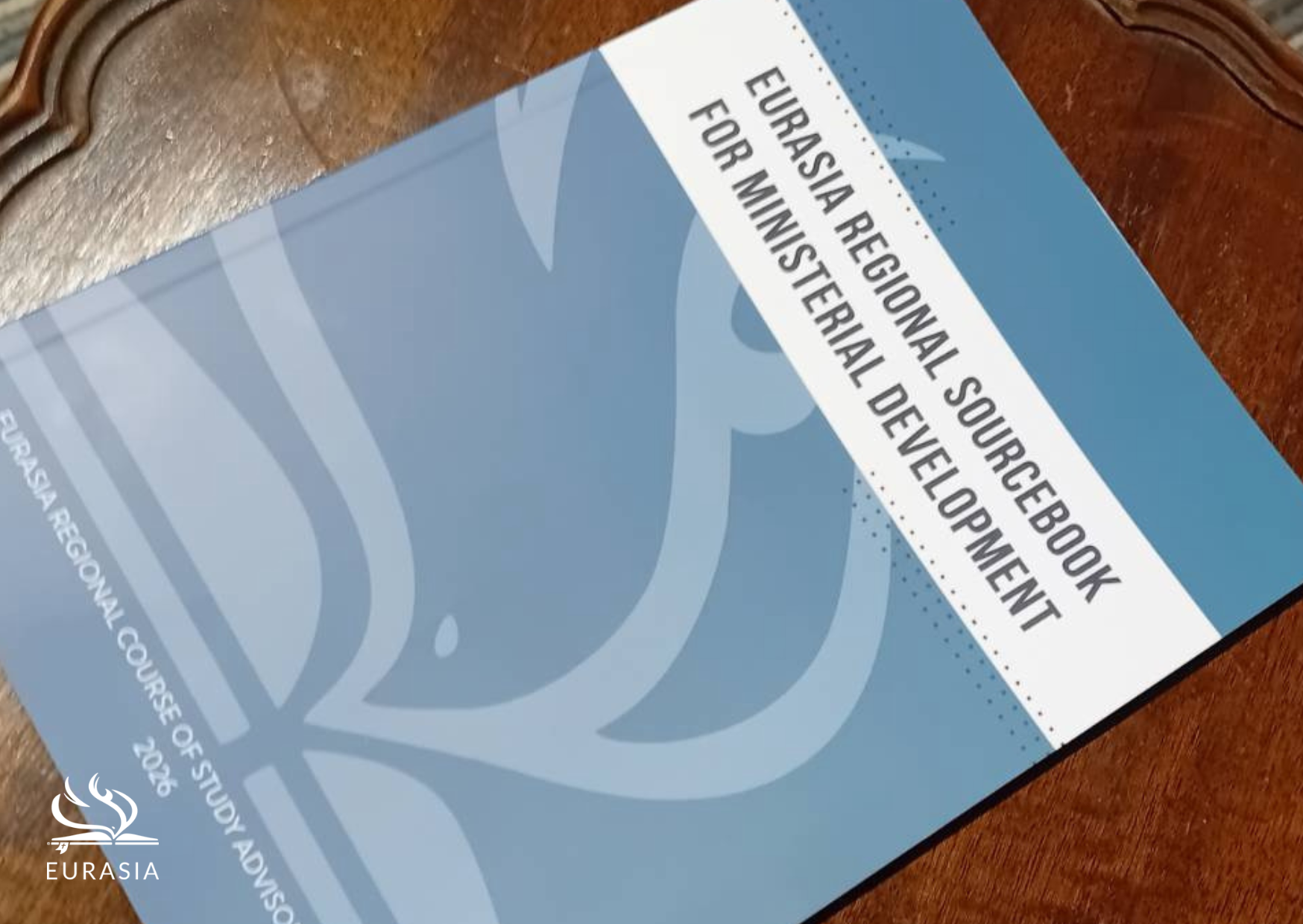
Last week’s meeting saw the unveiling of the Eurasia Regional Sourcebook – printed in English, but now available in 17 regional languages (and counting). It’s a key resource for Boards of Ministry, who have to guide candidates through the process of preparation and training. Alongside the Sourcebook, the RCOSAC is developing a short Guide, to shape practical help and training to boards in their task. On the RCOSAC sit DS’s, FSC’s, lay persons, ministers, and educators – a diverse and passionate range of voices.
The Sourcebook is also important for the Region’s Theological Colleges, whose courses of study have to be examined and approved by the RCOSAC (and the Global Church) to make sure that they meet those exacting standards. At this year’s meeting, the approved courses of NTC Manchester and South Asia Nazarene Bible College were given their five year re-affirmation: a careful scrutiny and reflection to make sure they remain fit-for-purpose. And next year EuNC will bring forward its course of study for a full revalidation: a big task which is already well underway, and a great chance to consult with districts, fields, and alumni to shape the course to meet the evolving needs of the Church.
Our region faces a real challenge: EuNC teaches in 15 languages; SANBC in another 12. And so it’s vital to make sure that there are study and discipleship resources that help address Nazarene identity in all of those languages. The Global Church of the Nazarene has recognised this need and launched a ‘Global Literature Initiative.” The goal is to identify key literature that shapes our Wesleyan identity and has a theological coherence: it is “to ensure every Nazarene pastor, everywhere, has the theological formation and ministry resources needed to lead effectively, and every congregation has access to distinctly Wesleyan-Holiness resources for making and nurturing Christlike disciples in the nations.” The committee heard a commitment from the Board of General Superintendents, shared by Dr Bonnie Perry, General Editor of the Church of the Nazarene, to invest in this collaborative project – and were excited by it, and appreciative of this vision.
The Eurasia Education Council also met last week, with representatives of the three theological Colleges present, as well as Dr Klaus Arnold, Director of Global Education and Clergy Development. They talked about their unique challenges and resources, heard a report from the Regional Education Coordinators, and began to shape some innovative plans for shared delivery of key course units. This all feeds into a regional Education Strategy, as we think together about how best to serve the needs of our vast region, and shape institutions that are sustainable, innovative, and embraced and supported by the Church in their setting.
Dr Peter Rae (Co-REC, alongside Revd Antonie Holleman) commented, “Meeting face-to-face, praying together, sharing fellowship in homes, wrestling with openness and integrity about the challenges we face together – that underlines the unique blessing of a global family that cares deeply for its calling. My thanks to all who ,travelled so far, gave so much, and went out to implement the plans we made.”
-shared by Peter Rae, Co-Regional Education Coordinator